
Economía y Sociedad Cubana | Cuban Economy and Society
En esta sección se publican artículos relevantes sobre la economía cubana, incluidos los resultados de las políticas económicas y sociales y sus impactos específicos.
This category includes articles relevant to the Cuban economy, including on the results of Cuban economic and social policies and their impact on Cuban society.
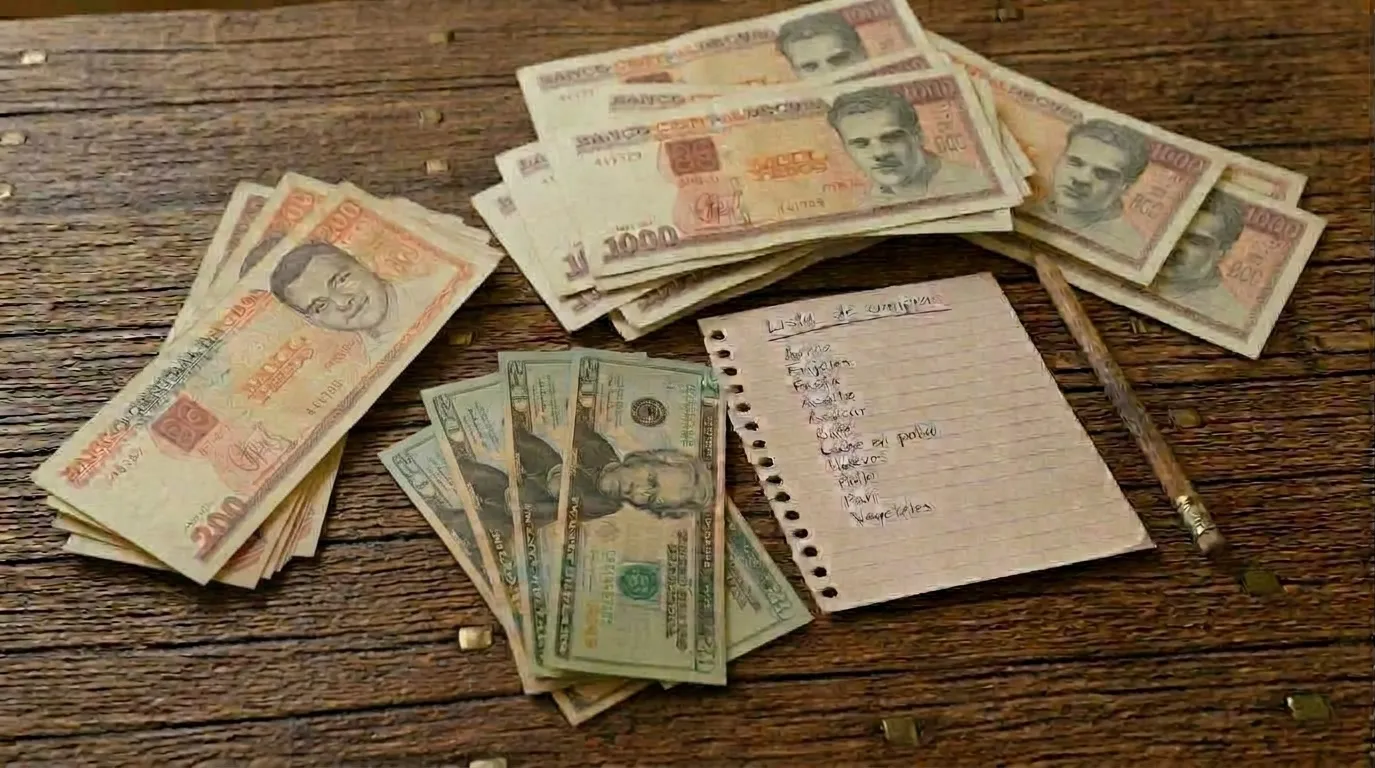
There is still room to try to restore the functions of the Cuban peso. Recent regulatory liberalization measures create more favorable conditions for adjustments in prices and exchange rates to have a meaningful impact on economic decisions.
Todavía existe espacio para intentar recuperar las funciones del peso cubano. Las aperturas regulatorias crean mejores condiciones para que la corrección de precios y del tipo de cambio tengan efectos reales sobre las decisiones económicas.

This proposal responds to the particular characteristics of Cuba’s private sector. It does not seek to create “more businesses,” but to connect existing businesses in order to develop new capabilities.
Esta propuesta debe entenderse como una respuesta a las particularidades del sector privado cubano. Su objetivo no es crear “más empresas”, sino construir conexiones entre las existentes y desarrollar nuevas capacidades.
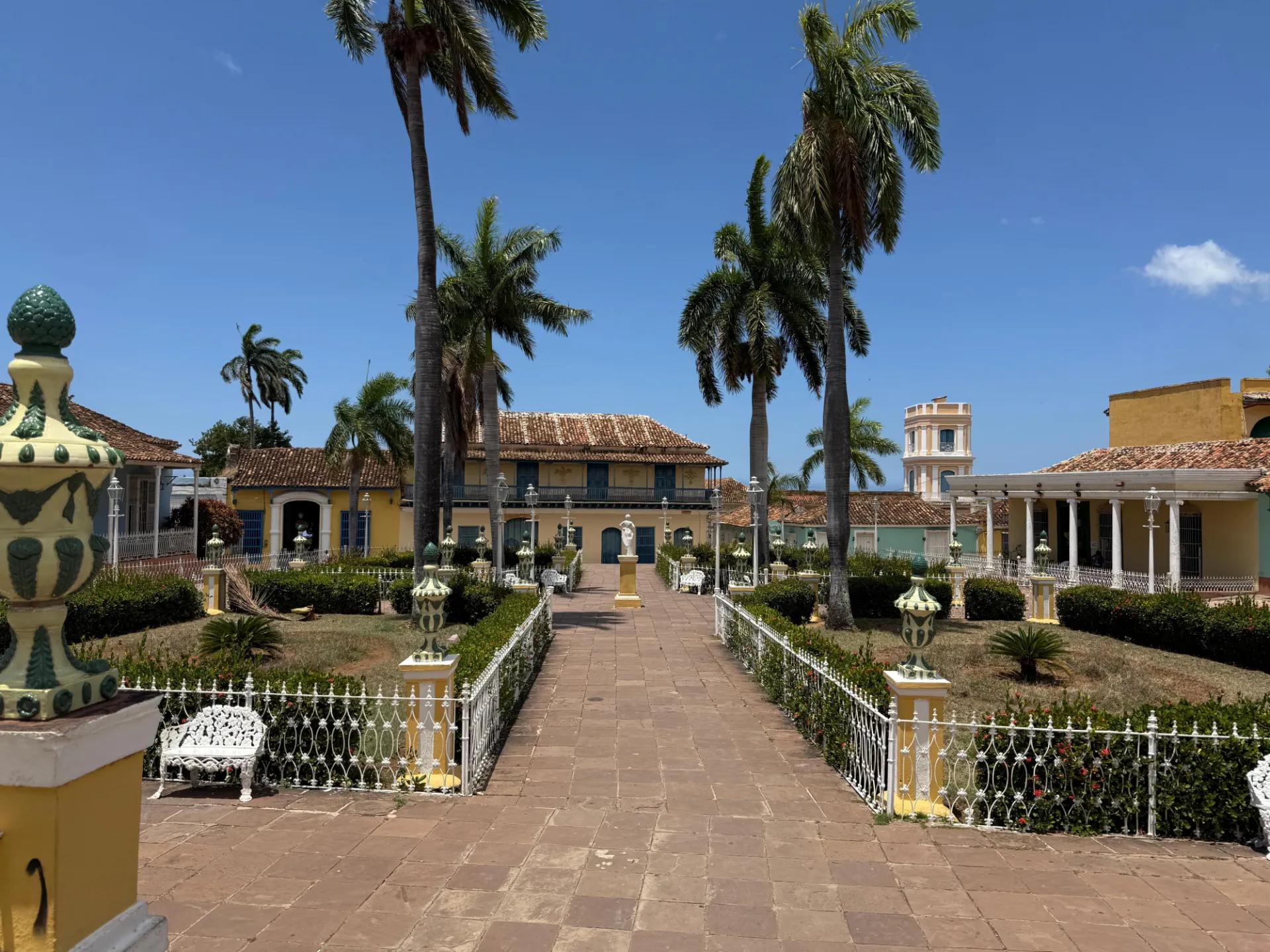
Cuba’s potential as a tourist destination can only be realized through a comprehensive strategy that combines macroeconomic stability, institutional modernization, infrastructure improvements, strengthening of the private sector, and a tourism offering based on quality, sustainability, and innovation.
El potencial del destino Cuba solo podrá materializarse mediante una estrategia integral que combine estabilidad macroeconómica, modernización institucional, mejora de la infraestructura, fortalecimiento del sector privado y una oferta turística basada en la calidad, la sostenibilidad y la innovación.
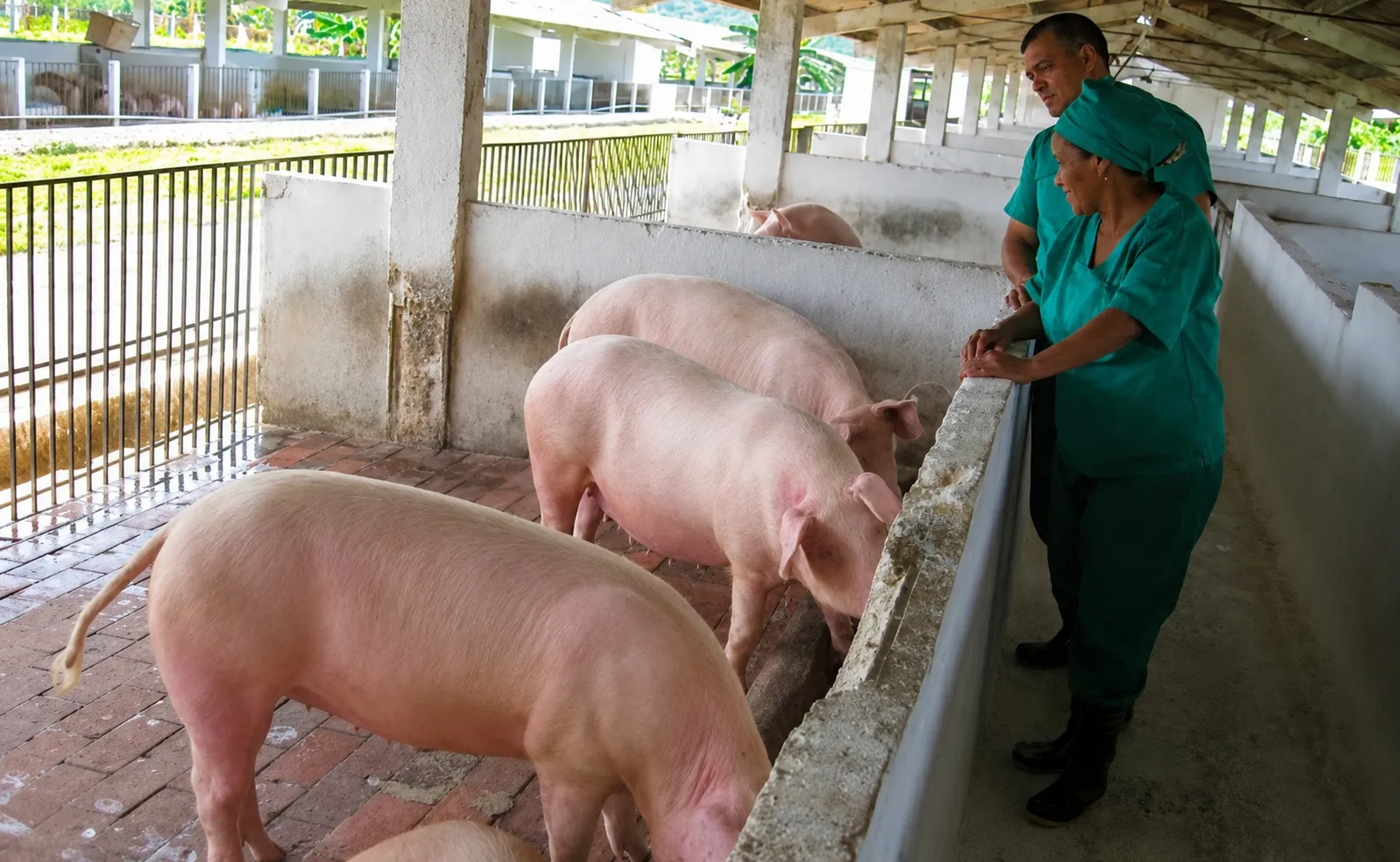
The dissolution of the Soviet Union in 1991 and the onset of the “Special Period”1 in Cuba led to the disruption of critical imported inputs and the collapse of agricultural production.
La disolución de la Unión Soviética en 1991 y el inicio del Período
Especial provocaron la interrupción de insumos críticos importados y el colapso
de la producción agropecuaria.
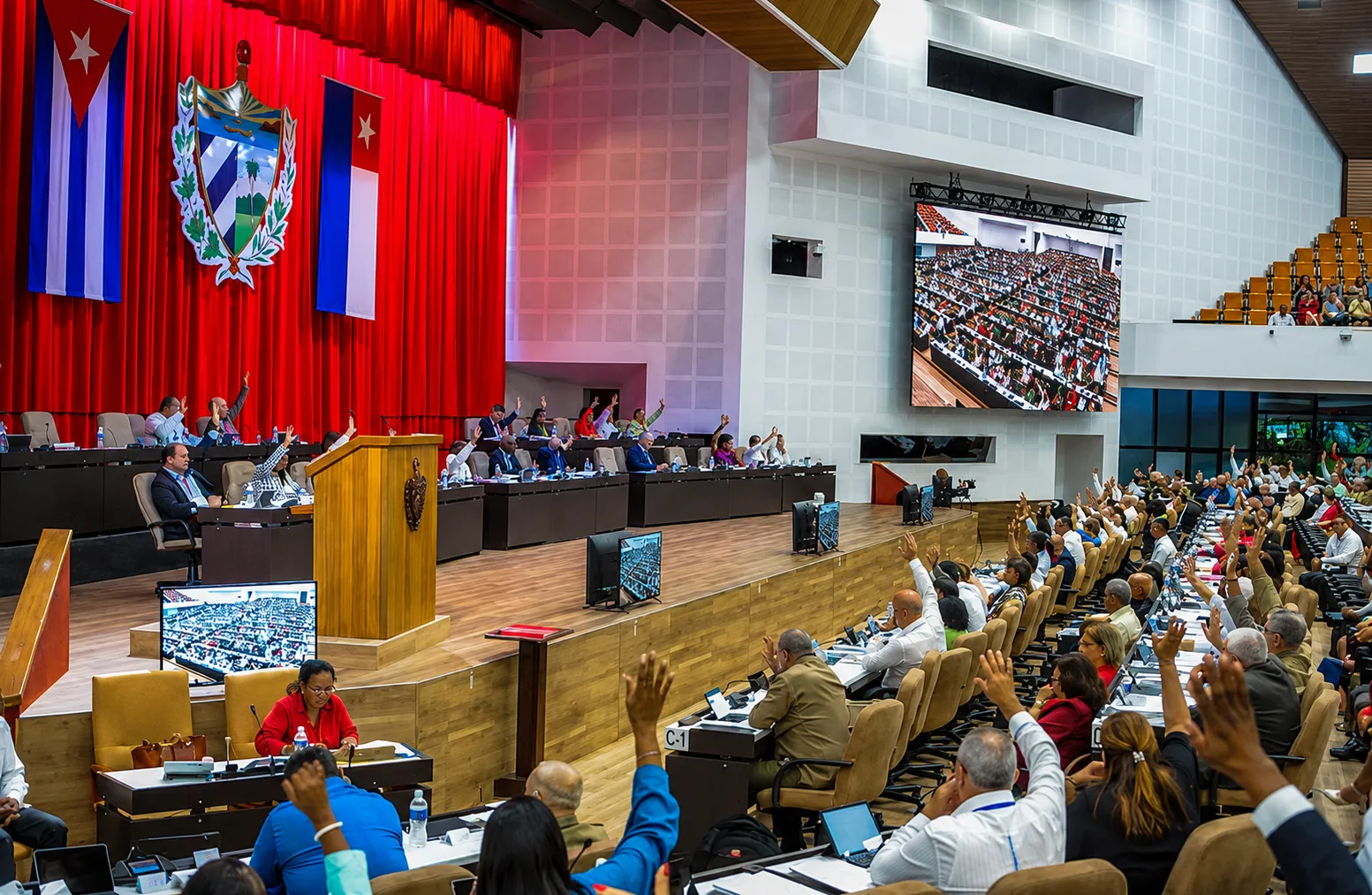
Las recientes reformas cubanas funcionan menos como una liberalización uniforme que como una lista ampliada —y aún discrecional— de excepciones a la norma general de control estatal.
The recent Cuban reforms function less as a uniform liberalization than as an expanded—and still discretionary—list of exceptions to the general rule of state control.

Para atraer capital, Cuba necesita urgentemente una visión amplia de las fuentes de capital y un marco jurídico que fomente esa afluencia, al tiempo que genere seguridad para todos los actores económicos.
To attract capital, Cuba urgently needs an expansive view of sources of capital and a legal framework that fosters the influx while creating certainty for all economic players.