
An Examination of Cuba’s Non-Sugar Agricultural Sector (1959–1990)
The dissolution of the Soviet Union in 1991 and the onset of the “Special Period”1 in Cuba led to the disruption of critical imported inputs and the collapse of agricultural production.
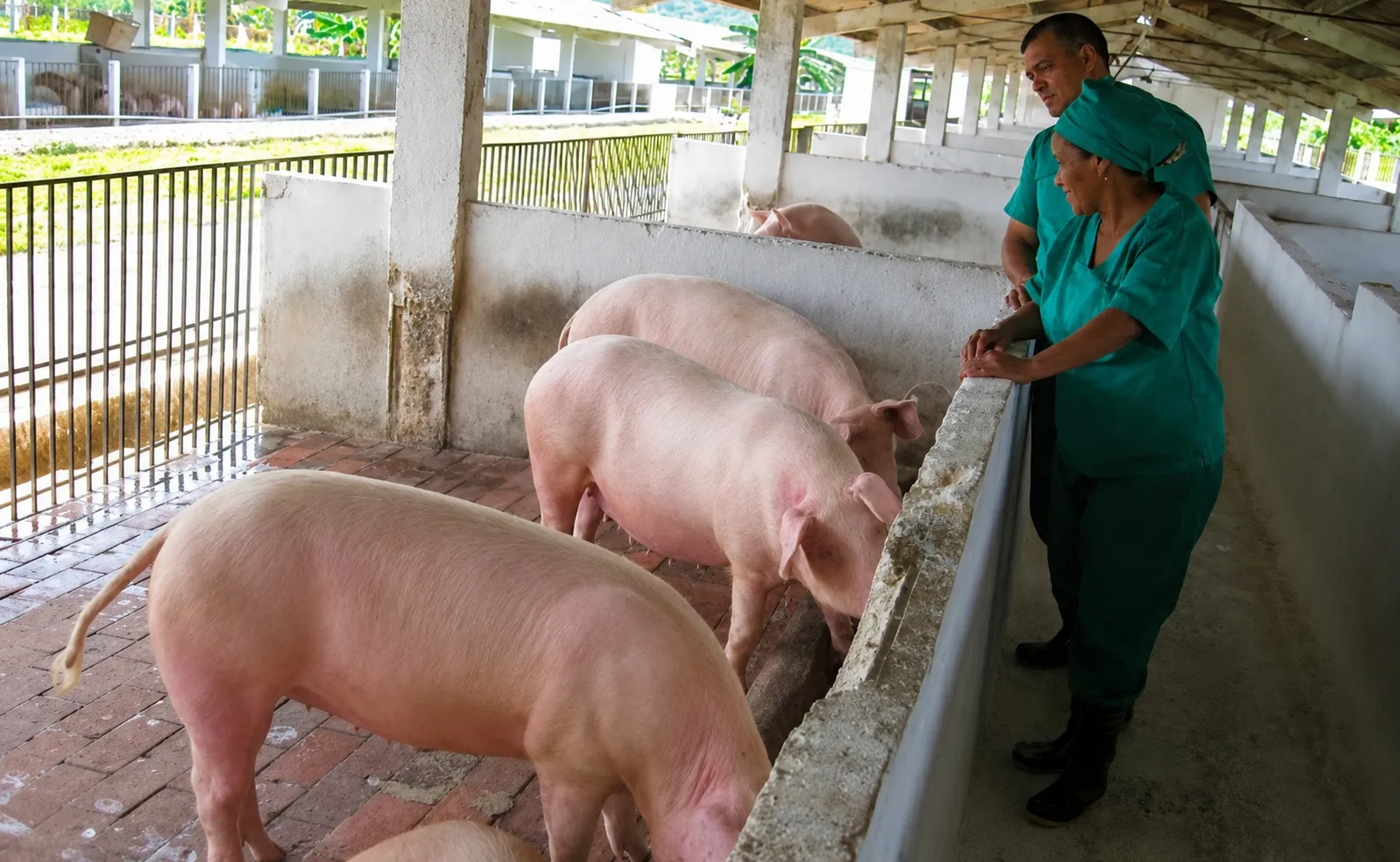
In Cuba, the period from 1959 to 1990 was marked by a profound transformation of the agricultural sector, driven by the principles of the new socialist state with strong support from the Soviet Union and the Council for Mutual Economic Assistance (CMEA).
The objective of the agricultural plans was to achieve food sovereignty, increase production for domestic consumption, and, in some cases, export certain products for which there was strong demand, particularly citrus fruits.
Background
After 1959, the Cuban government inherited an agricultural sector dominated by sugarcane and a privately owned food-production sector which operated with limited technology.
Among the first measures undertaken by the Revolutionary government was the nationalization of land, followed by the creation of large state-owned agricultural enterprises and cooperatives, as it implemented the socialist centralized planning model. Simultaneously, the government promoted mechanization, rural electrification, and the use of advanced agricultural technologies.
The key point, however, is that the feed and new machinery used in the development of the cattle, swine, and poultry populations, as well as egg production, were imported from countries that were then socialist but now operate as market economies.
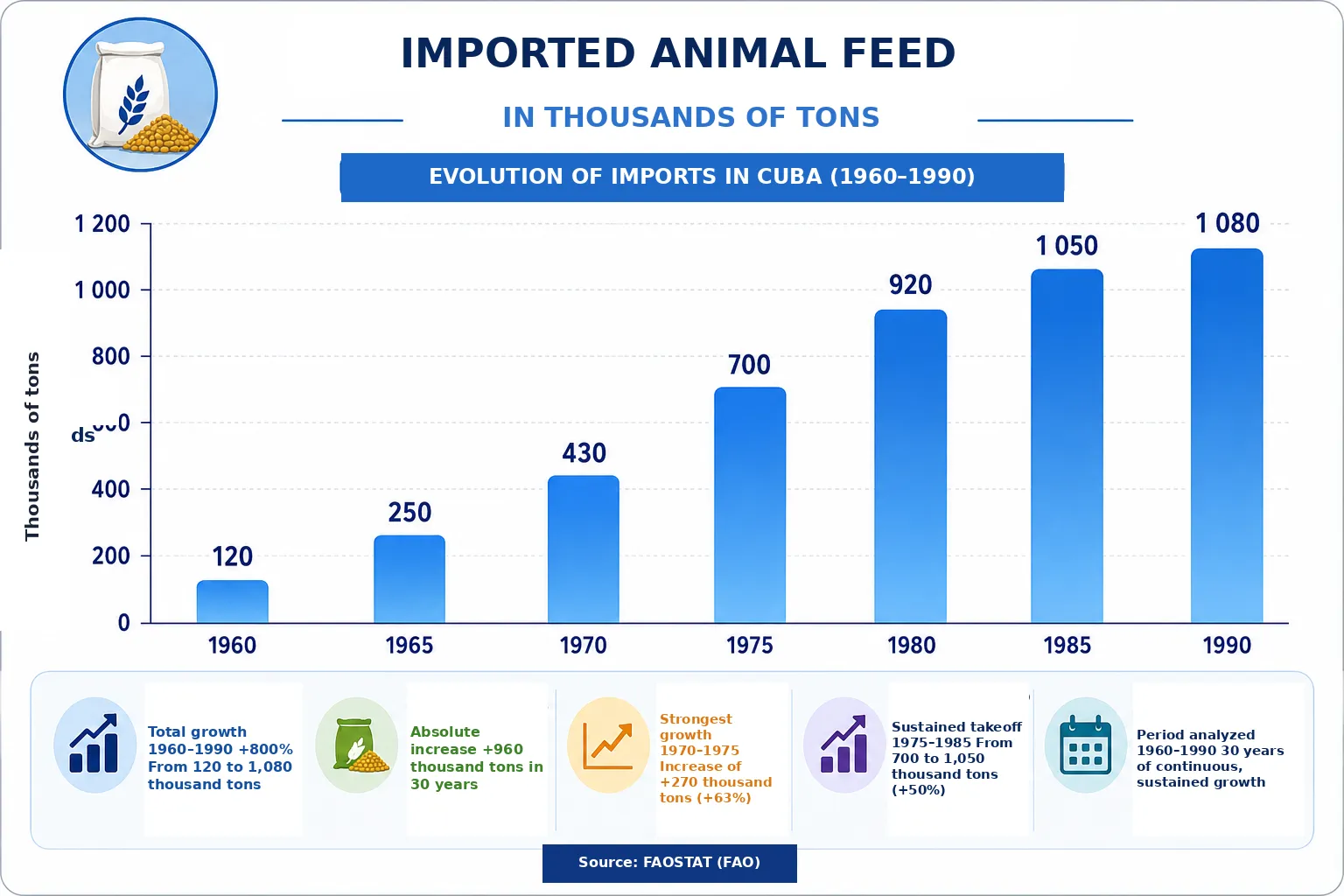
Although efforts were made by the planners to use domestically produced by-products, the reality is that the agricultural sector, particularly intensive livestock production, could not function without imported inputs, especially animal feed (concentrated feed).
Non-Sugar Agriculture (Root Crops, Vegetables, Grains, and Fruit)
The fact is that the government made a massive effort to diversify agricultural production beyond sugarcane. This effort, however, was heavily financed by socialist countries, which provided Cuba with virtually unlimited resources for agricultural production.
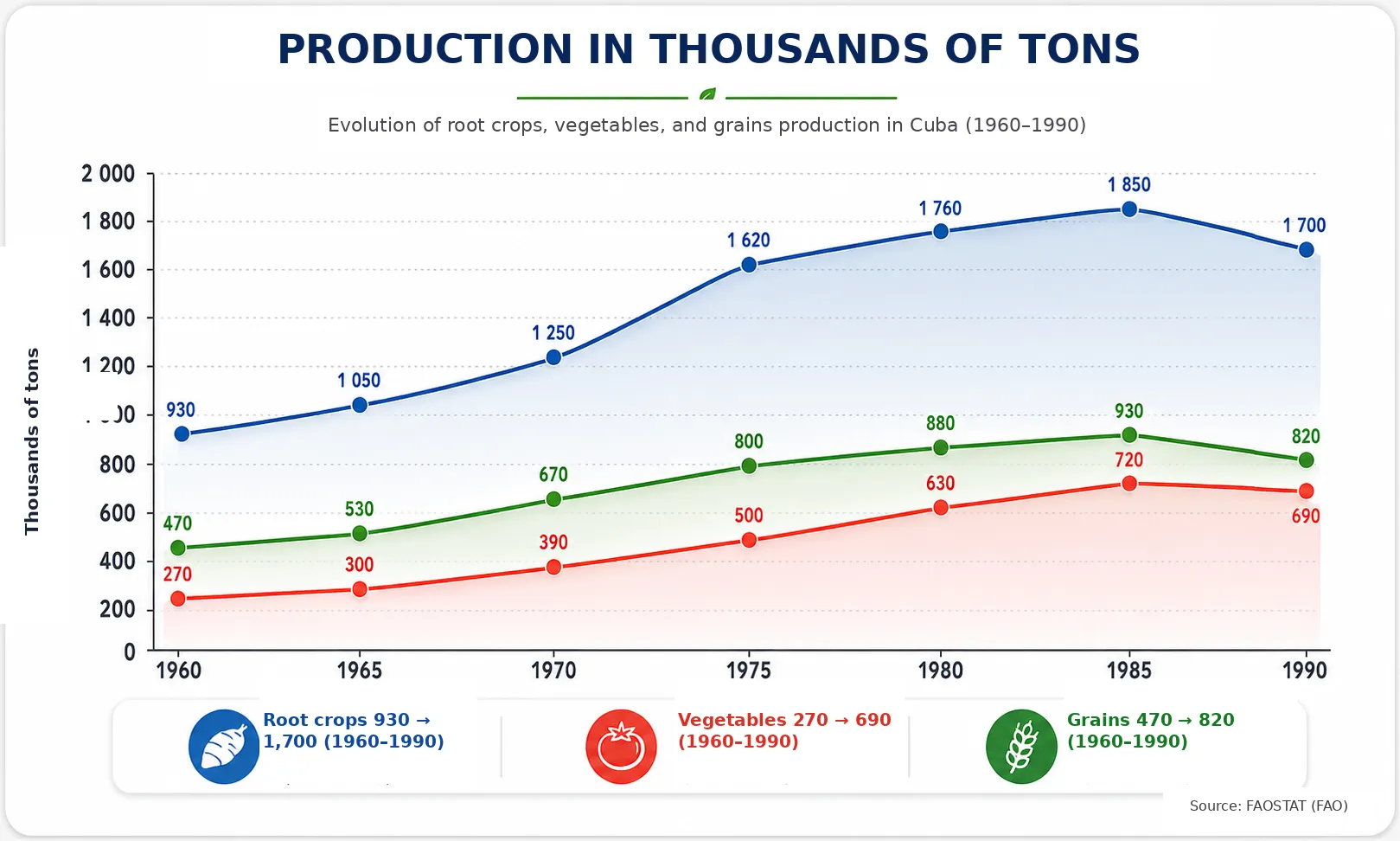
In the case of root crops and other staple crops, such as potatoes, cassava, taro, sweet potatoes and plantains, the government invested intensely in their cultivation to satisfy domestic demand. Potato production, for example, increased dramatically as a result of mechanization, the use of fertilizers, and a package of technological tools the government made available exclusively to state-owned enterprises.
In the case of vegetables, such as tomatoes, onions, peppers, cucumbers, and beans, the government expanded production, primarily by increasing the area under cultivation, rather than by increasing productivity per hectare, while importing high-quality seeds for many crops.
Fruit, particularly citrus fruits—oranges and grapefruit—received vast investment from the government, becoming the second-largest export category after sugar, and were directed primarily to markets in the Soviet Union and Eastern Europe, while mangoes, guavas, and avocados were cultivated for domestic consumption.
In the case of grains, the State attempted to increase rice and corn production, although complete self-sufficiency was never achieved and the country continued to depend on imports, particularly in the case of rice. High-quality seeds for many crops also depended on imports.
Only some of the inputs required for these crops were domestically available. Two important local resources were land and water; sugarcane bagasse (a by-product of sugar production) was used as a source of energy and, to a lesser extent, to improve soils.
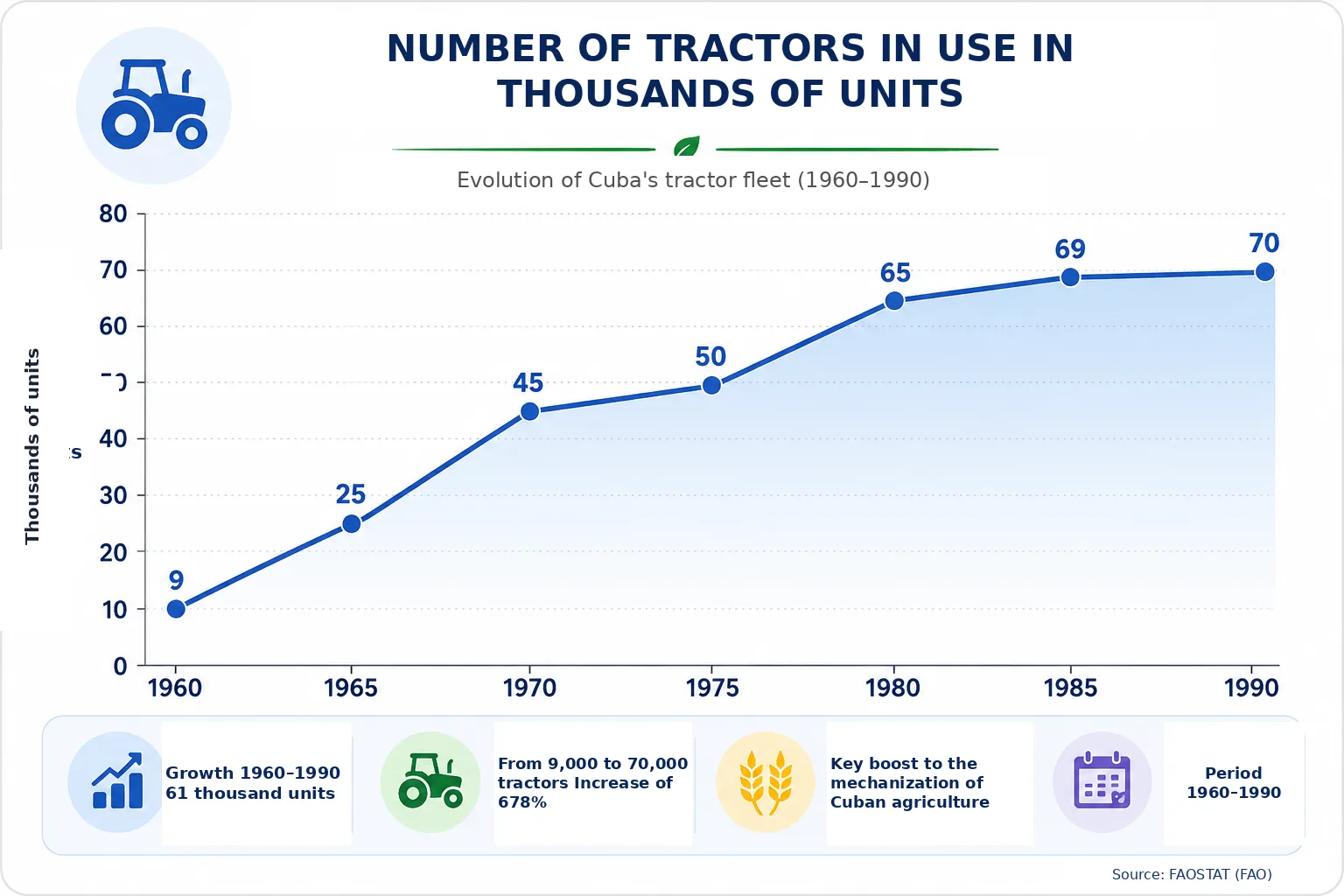
Nonetheless, imported inputs were also required for sugarcane production. Most agricultural machinery—tractors and harvesters—as well as nitrogen, phosphorus, and potassium fertilizers and pesticides, came primarily from the Soviet Union and other CMEA countries.
The following chart shows the number of tractors imported annually from the Soviet Union and the resulting annual growth in the number of tractors in Cuba’s national fleet.
Cattle Farming
In cattle farming, Cuba’s government focused on expanding the size of the national herd. It gave priority to increasing the number of heads of cattle while developing herds for dual-purpose (beef and dairy) and breeds capable of adapting to tropical conditions.
Genetic improvement was a central component of this strategy. The government introduced ambitious breeding programs, relying extensively on artificial insemination and breeding stock from dairy breeds, such as Holstein and Brown Swiss, and beef breeds, including Zebu, Santa Gertrudis, and Charolais. Much of this breeding stock was imported or resulted from initial crossbreeding with foreign genetic material. The development of the Cuban Siboney—a cross between Holstein and Zebu—represented a significant achievement during this period.
The government also invested heavily in the related necessary infrastructure, constructing large, technologically advanced dairy farms and cattle-fattening facilities.
Feed and Livestock Development
Cattle feeding relied on a combination of domestic and imported fodder. The principal domestic source of feed was grazing livestock on natural and cultivated pastures, including pangola grass. Forage and silage also played an important role in supplementing the cattle’s pasture-based diet. Sugarcane molasses, a by-product of the sugar industry, available in abundant quantities, was widely used as an energy supplement in cattle, swine, and poultry feed, often in combination with urea to increase its protein content.2
Despite the use of domestic resources, livestock production remained heavily reliant on imports. In order to achieve rapid growth and high levels of productivity—particularly in intensive cattle fattening and dairy production—the government had to import concentrated feed and protein supplements, including soybean meal, fishmeal, and grains such as corn and barley.
These imported inputs were particularly important for maintaining the productivity of high-yield breeds and achieving targeted production levels. The government support to these efforts included veterinary medicines and other animal-health inputs – which were by and large also obtained abroad.
Poultry Farming
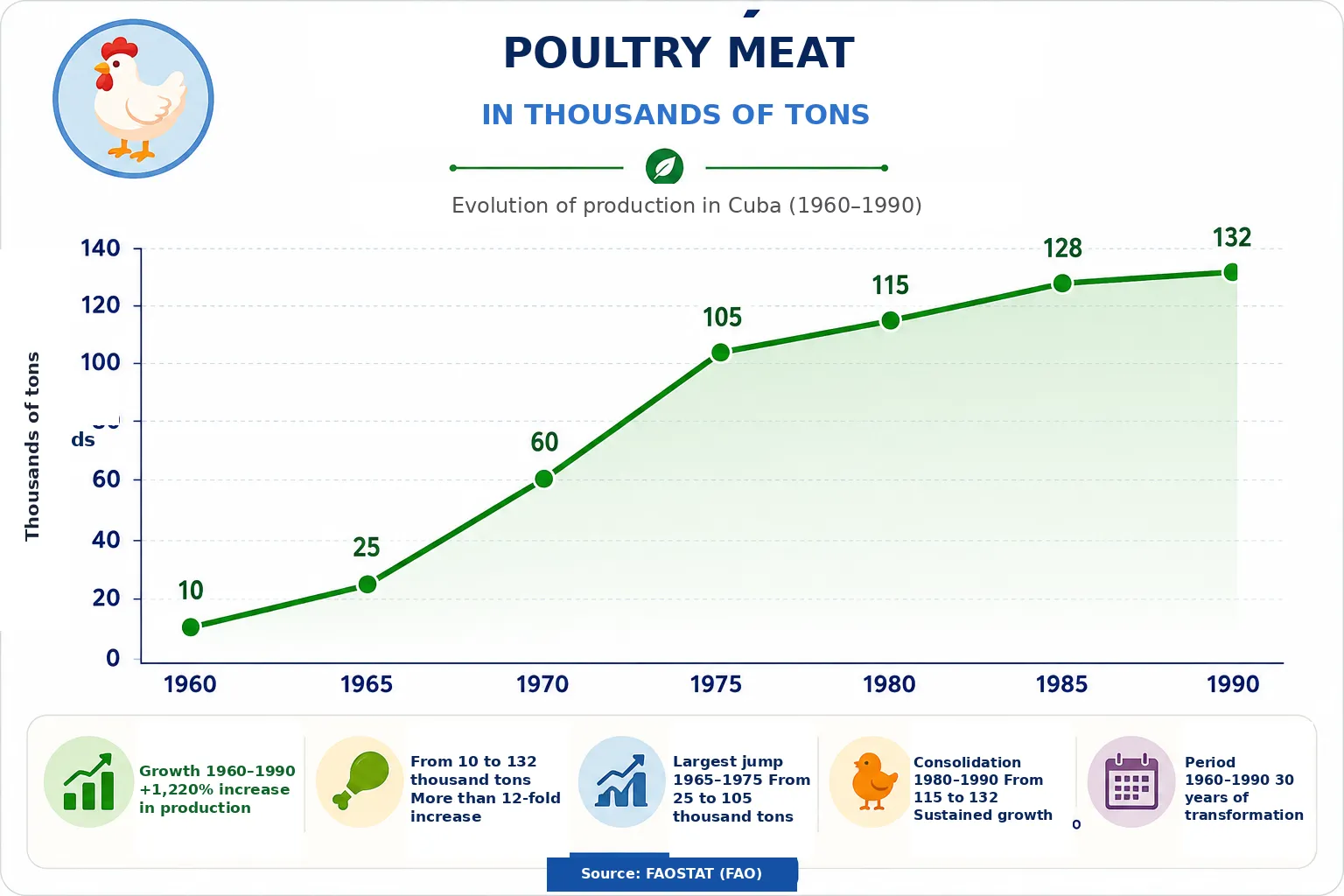
Poultry production likewise benefited from substantial investment, beginning in the early years following 1959. Numerous large-scale industrial poultry farms were constructed, incorporating highly mechanized and automated facilities.
As in the case of other branches of livestock, the development strategy emphasized intensive production. Therefore, it prioritized fast-growing broiler breeds and controlled industrial feeding systems.
Again, this model was heavily dependent on imports. Both broiler chickens and laying hens were raised using industrial systems that depended on balanced, concentrated feeds. Cuba produced only a small proportion of the principal ingredients required to manufacture these feeds. Consequently, substantial quantities of grains used for animal feed—including corn, sorghum, and barley—had to be obtained abroad.
Protein sources, particularly soybean meal and fishmeal, also needed to be sourced overseas. The micronutrients required for industrial poultry production—including vitamins, minerals, and amino acids—were likewise obtained from abroad.
Import dependence extended beyond animal feed. High-yield broiler and laying-hen breeds were themselves imported, either as day-old chicks or as fertile eggs.
The infrastructure required to sustain this intensive production model—including poultry houses, drinking systems, feeders, incubators, and related equipment—also relied heavily on imported resources.
Egg production followed essentially the same production model as poultry-meat production, including its reliance on imported feed, genetic stock, technology, and equipment.
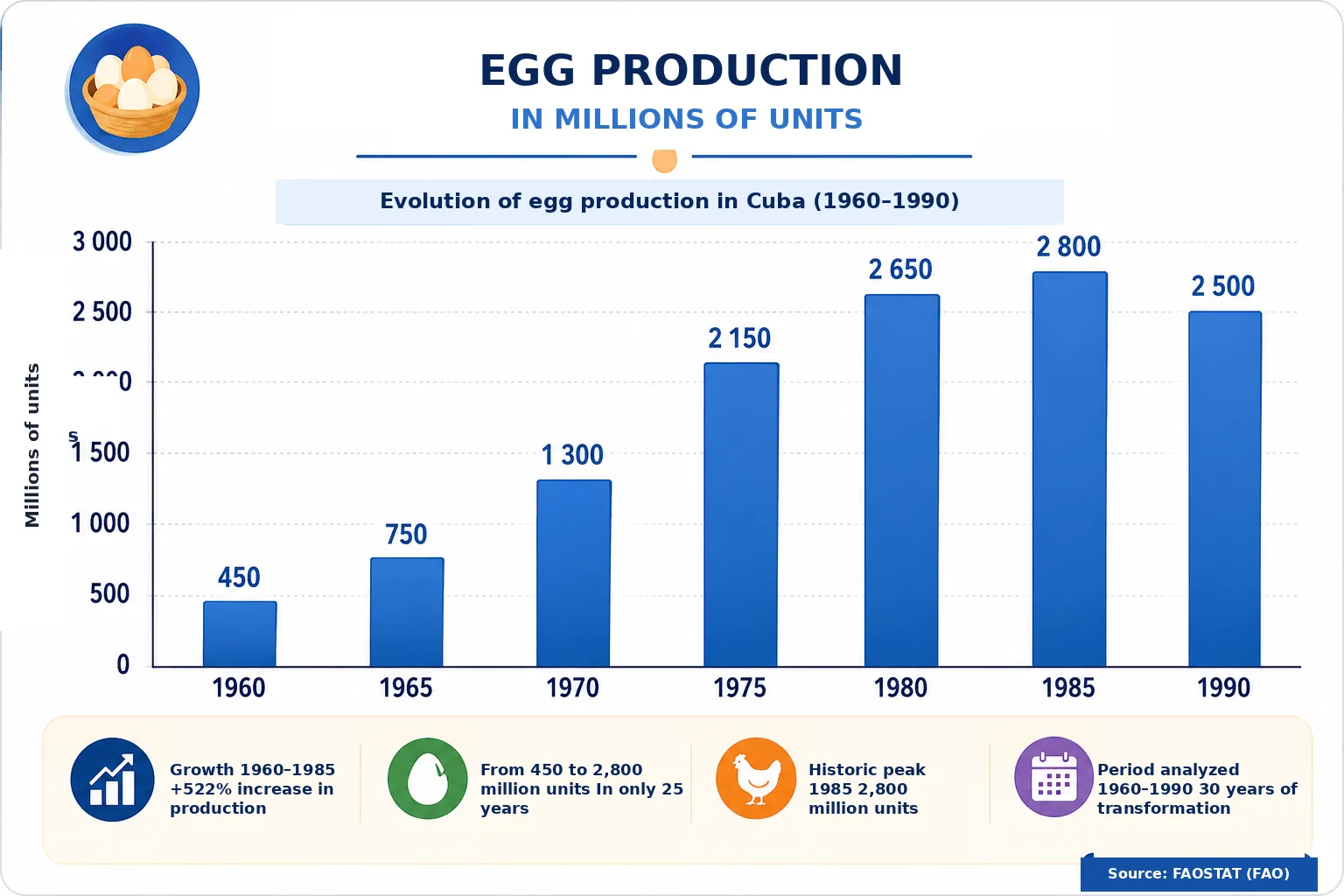
Large-scale poultry farms dedicated to egg production were built throughout the country, housing millions of laying hens in cage systems that were often automated. As a result, eggs became an affordable staple of the Cuban diet and were widely distributed through the food rationing system.
As with broiler production, however, intensive egg production relied entirely on balanced, concentrated feed to maintain high egg-laying rates and consistent quality. These feeds contained essentially the same ingredients used in broiler production: grains, soybean meal, fishmeal, vitamins, and minerals, none of which Cuba was able to produce in sufficient quantities to meet the needs of the poultry industry it developed.
Production increased year-over-year.
Pork
In Cuba, the pig has often been referred to as the “national mammal.” For many years, pork played an important role in balancing animal protein with vegetable protein consumption provided by beans and staple crops in the Cuban diet. Today, however, pork production has fallen to extremely low levels.
In recent years, development plans have been prepared to increase pork production, hoping to achieve tangible results that again would make pork an important source of animal protein for the Cuban population.
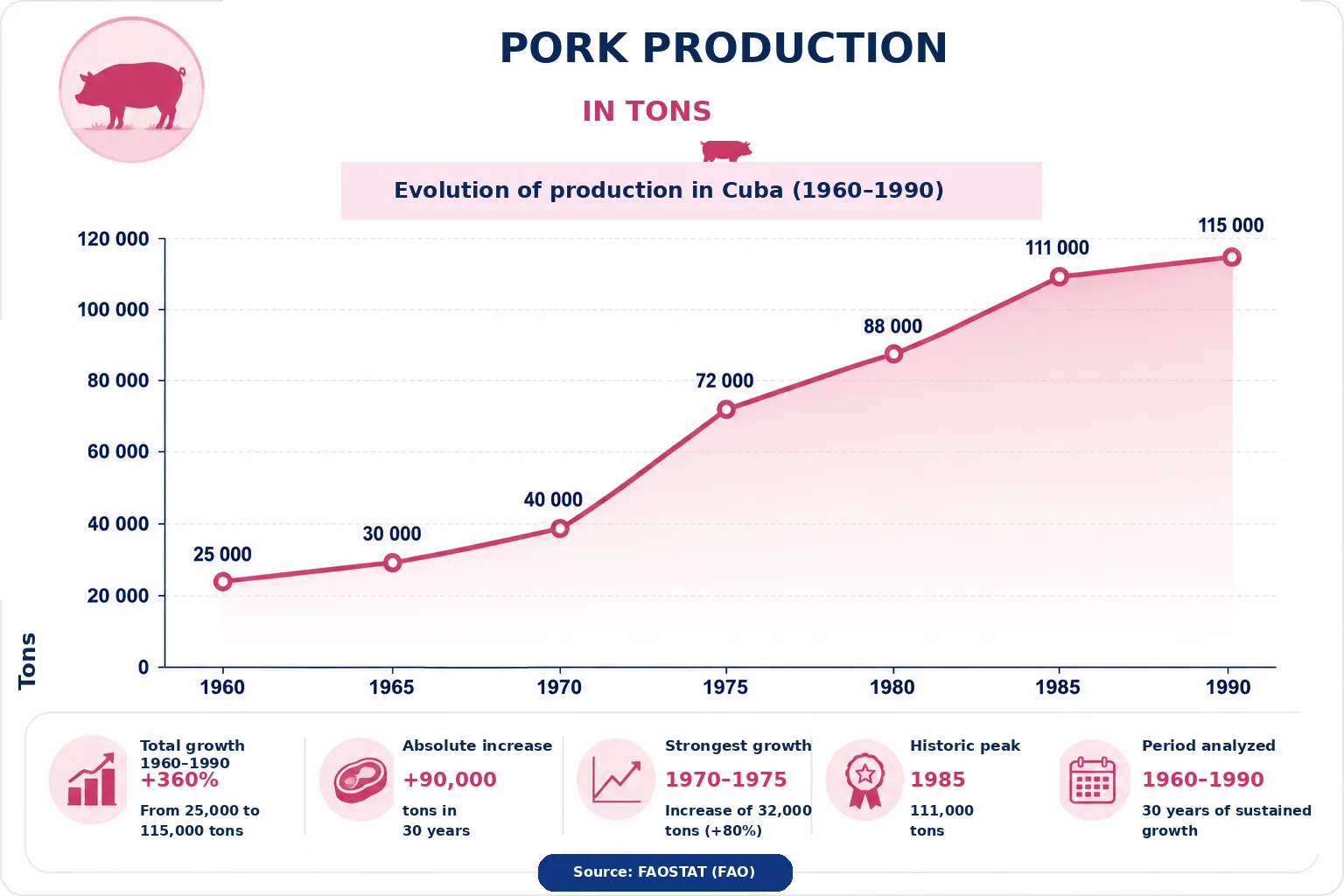
Large-scale intensive pig farms and industrial swine-production complexes were established, using highly intensive breeding and fattening methods, as was the case with other livestock. Again, efforts were also made to improve the genetic stock through the importation of high-productivity breeds, including Yorkshire, Landrace, and Duroc. Crossbreeding programs were introduced to improve production yields.
Although pigs have relatively flexible diets and can consume agricultural and food by-products, including food waste and root crops, the industrial pork production the government developed did not use that readily available feed. Instead, it relied heavily on balanced feed made from grains, such as corn and barley, and protein sources, including soybean meal and fishmeal, most of which were feed ingredients that needed to be obtained overseas.
Molasses and various by-products of the sugar industry were in fact used, along with, to a lesser extent, domestically grown root crops and other staples to supplement these diets. These domestic resources, however, could not replace the concentrated feeds required for rapid weight gain and the efficient production of improved breeds.
Conclusion
Between 1959 and 1990, Cuba achieved significant increases in the production of non-sugar agricultural products and sources of animal protein—including beef, poultry, pork, and eggs—making use of domestic by-products such as sugarcane molasses. Nevertheless, the ambitious program of development and maintenance of intensive livestock production, as well as high levels of agricultural productivity, depended fundamentally on large-scale imports of the following:
- Grains (corn, sorghum, and barley).
- Protein sources (soybean meal and fishmeal).
- Fertilizers and pesticides.
- Agricultural machinery and technology.
- Animal genetic stock (high-yield breeds) and sophisticated veterinary medicines.
This dependence became critical following the dissolution of the Soviet Union in 1991 and the onset of the “Special Period”, when the disruption of imported inputs triggered a collapse in agricultural production. Intensive livestock production was particularly affected because it had been built on a model that could not be sustained without external support from countries that began to operate with market economies.
Because Cuba had not developed an adequate domestic production base for certain agricultural products and inputs essential to feeding the population, and because it subsequently lacked the necessary financial resources in hard currency to do so, to date, neither the government nor private producers have been able to restore these levels of production.
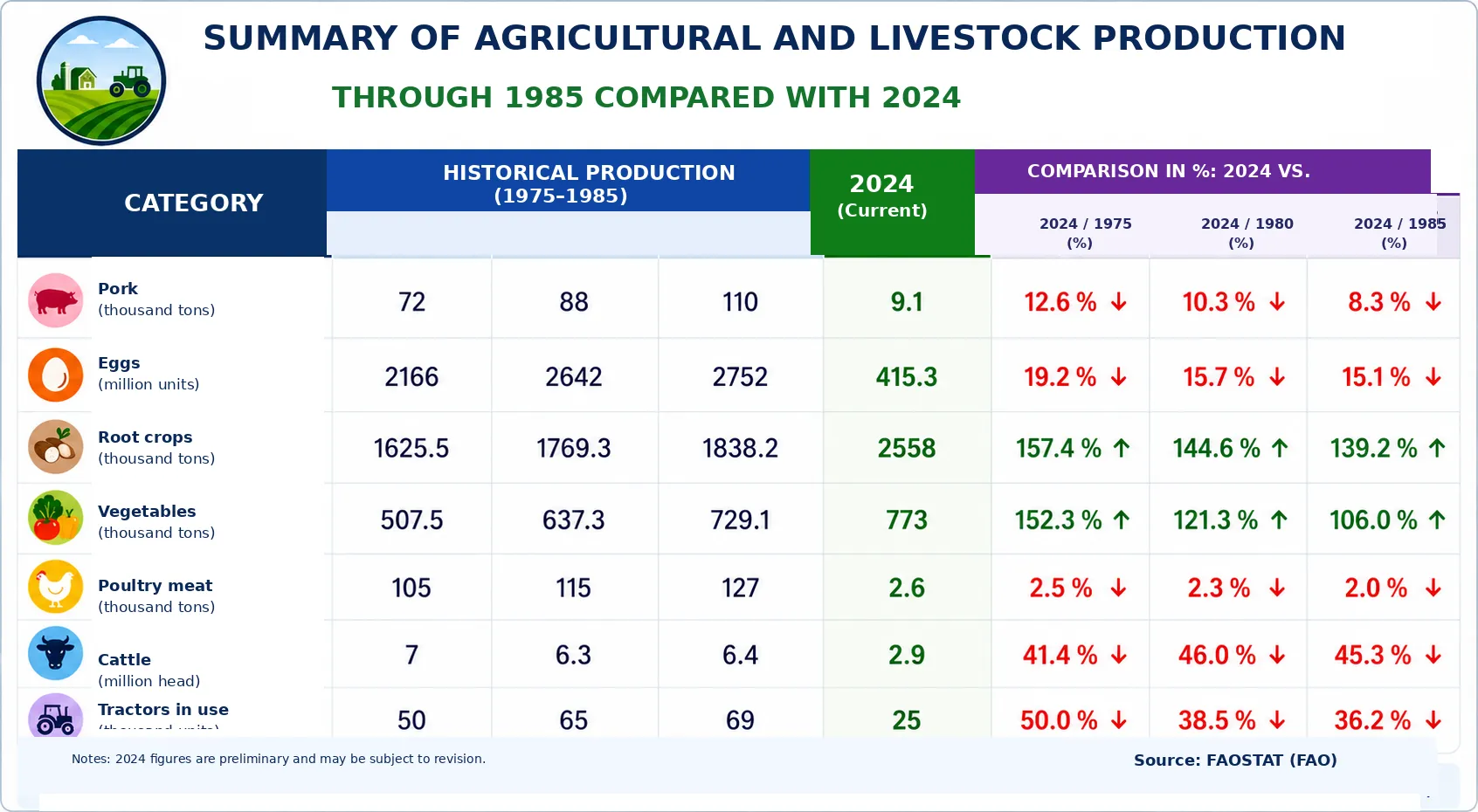
For some categories of production, Cuba is performing well below the levels achieved during the first thirty years of the subsidized socialist development model.
The preceding table summarizes this trend. With the exception of root crops and vegetables, current production levels are lower than those recorded in 1975, 1980, and 1985.
[1] The Special Period (Período Especial) was the severe economic crisis Cuba experienced after the collapse of the Soviet Union and the socialist bloc beginning around 1989–1991. Its formal name, given by Fidel Castro, was the “Special Period in Time of Peace” (Período Especial en Tiempo de Paz), reflecting emergency measures originally contemplated for conditions resembling wartime economic isolation.
[2] Ruminants, such as cattle, can use urea differently from humans and other non-ruminants: microorganisms in the rumen can convert its nitrogen into microbial protein, which the animal can subsequently utilize.
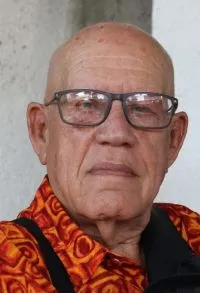
Octavio José Portuondo Botta. Retired engineer. He held various positions of responsibility in Cuba’s sugar industry. In February 1969, he was appointed head of machinery at the Salvador Rosales sugar mill, formerly the “Algodonal” mill. During the 1970 sugar harvest, he served as head of machinery at the “Loynaz Echavarría” sugar mill, formerly “Alto Cedro” (Marcane). In 1979, he was appointed deputy provincial delegate for Granma Province. He later headed the province’s Construction and Assembly Company.