
The Future of Tourism in Cuba: Challenges and Opportunities
Cuba’s potential as a tourist destination can only be realized through a comprehensive strategy that combines macroeconomic stability, institutional modernization, infrastructure improvements, strengthening of the private sector, and a tourism offering based on quality, sustainability, and innovation.
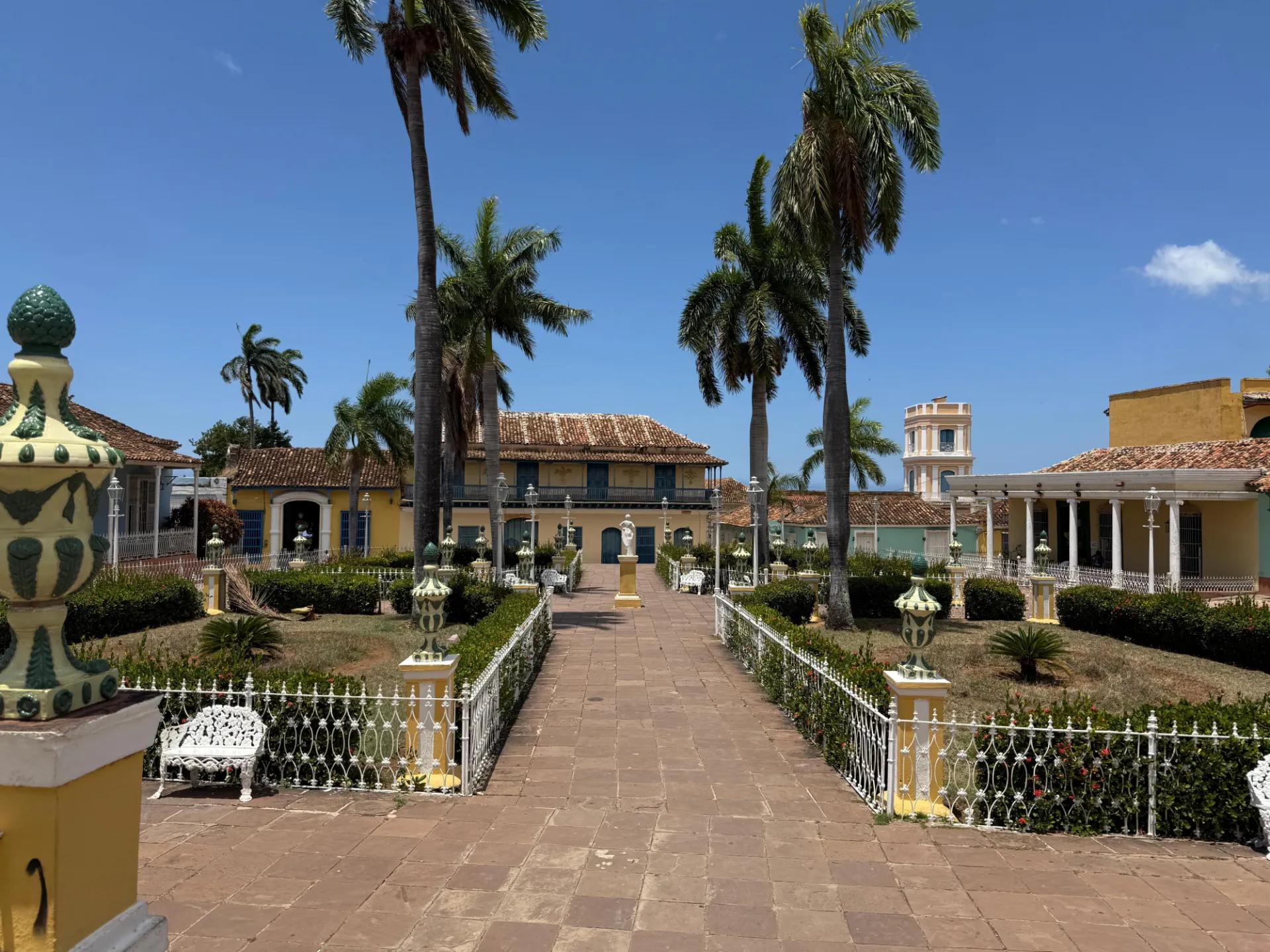
For more than three decades, tourism has been one of the principal drivers of the Cuban economy, serving as one of its largest sources of foreign exchange. Since the 1990s, the country has relied on this industry to address the profound economic crisis resulting from the disappearance of communism in Eastern Europe and the Soviet Union.
However, the current circumstances require a reassessment of the sector’s future. The combination of a prolonged economic crisis, deterioration in the energy sector and other infrastructure, demographic changes, the emigration of the working-age population, and an extremely complex geopolitical environment has not only placed the so-called leisure industry among the most visible manifestations of the country’s overall deterioration, but also raises important questions about its ability to once again become the engine of the national economy.
The Decline in Source Markets
According to figures from Cuba’s National Office of Statistics and Information (ONEI), Cuba received slightly more than 1.8 million international visitors in 2025, 17.8% fewer than in the previous year and far below the more than 4.2 million tourists recorded before the world-wide pandemic in 2019.1
The result fell well short of the government’s initial official target of 3 million visitors, and this trend has intensified sharply in 2026. According to ONEI, during the first five months of the year, Cuba received 359,491 international tourists, 58.4% fewer than during the same period in 2025.2
The principal source markets have declined almost across the board. In 2025, Canada accounted for 754,000 tourists, followed by Russia with 131,882 and the United States with 110,005, representing annual declines of 12.4%, 29%, and 22.8%, respectively. Even tourism from the Cuban diaspora, traditionally one of the tourism sector’s mainstays, has fallen dramatically: visits by Cubans residing abroad declined by 22.6% in 2025.
The impact on hotel infrastructure is equally revealing. In 2025, the hotel occupancy rate was 18.9%, 18% lower than in 2024. Between January and March 2026, occupancy at tourism facilities fell to nearly half the level recorded during the same quarter of 2025, declining from 23.7% to 12.9%.
Low demand, combined with fuel shortages resulting from the U.S. oil embargo, has led the Cuban government to close several hotels. International hotel chains have ceased operations on the island (one of the latest to do so was the Spanish chain Meliá, a pioneer in local tourism investment).
It is a fact that the oil embargo and other sanctions imposed by the United States have adversely affected the tourism sector, but the decline in visitor flows did not begin in 2026.
In fact, it began earlier, as a result of structural problems in the Cuban economy. Tourism forms part of that economic system and, therefore, any disruption affecting the economic system affects tourism, just as it affects every other sector.
Frequent blackouts, difficulties in sourcing food and now fuel, and the general deterioration of public services have begun to undermine the tourist experience and progressively reduce the destination’s attractiveness.
The Future
The recovery of tourism in Cuba depends on three indispensable premises:
(a) a significant easing of tensions between the United States and Cuba;
(b) the implementation of profound reforms to place the national economy on a path toward sustainable growth and ensure the development of domestic sectoral linkages; and
(c) the restoration of the reliability of the national energy system.
Failure to satisfy any of these premises would undermine the prospects for restoring the confidence of tourism source markets in Cuba as a tourist destination.
A first step toward a significant easing of tensions between the United States and Cuba would be the lifting of the fuel blockade. Another would be the removal of restrictions on tourist travel by U.S. citizens. During Barack Obama’s second term, substantial flexibility led the number of U.S. tourists to increase from 282,552 in 2016 to 638,365 in 2018. That increase made the United States Cuba’s second-largest tourism source market.
Due to its geographic proximity, tourism on the island, like its economy more generally, would reorient itself toward the U.S. market under a scenario involving liberalization or normalization of economic relations. This could bring about a change in the external positioning of the Cuban tourism sector.
While the number of U.S. tourists and visitors from the diaspora—most of whom reside in the United States—increased by 74% during the Obama liberalization period, traditional markets such as Canada and several European countries declined.
Although these results occurred over a relatively short two-year period, they suggest that, if the prohibition on travel were lifted, the United States could become Cuba’s principal tourism source market, potentially displacing Canada and European countries.
The development of micro, small, and medium-sized enterprises (MSMEs) in Cuba also represents an opportunity to transform Cuba’s tourism offering. Private restaurants, family-run accommodations, specialized agencies, transportation services, cultural enterprises, and experience-based tourism operators could diversify the tourism products and complementing what the State offers. Moreover, greater integration between the public and private sectors would improve service quality, increase innovation, and distribute the economic benefits of tourism more broadly.
Another factor that will shape the Cuban tourism sector’s future is the destination of State investment. In recent years, the country has devoted substantial resources to constructing new hotels, even when hotel occupancy remained relatively low and international demand continued to decline.
For this reason, recovery will depend less on constructing new hotel rooms and more on redirecting resources toward renovating the many hotels that were built more than thirty years ago and have suffered from deterioration and lack of maintenance. In addition, all of these facilities must be managed efficiently. Achieving the goal of refurbishing deteriorating facilities will require foreign investment.
Digital transformation is another essential dimension for the development of future tourism in Cuba. International tourists demand agile reservation processes, electronic payments, real-time information, stable connectivity, and personalized services. The incorporation of artificial intelligence, data analytics, digital marketing, and intelligent marketing platforms will be indispensable for competing successfully in an increasingly technological tourism market.
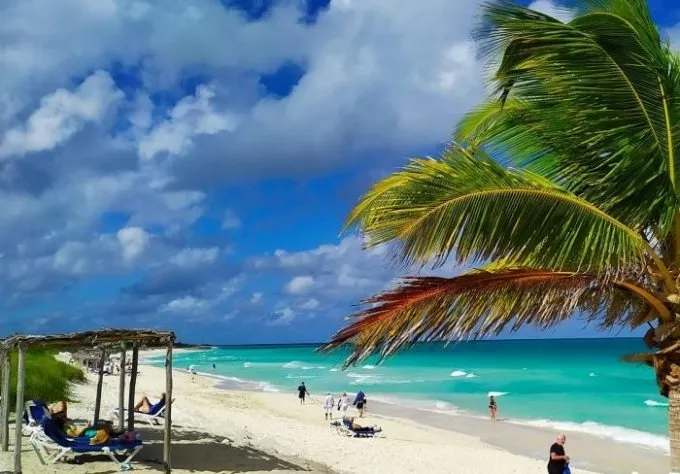
Three Scenarios
Under the pessimistic scenario, if energy problems, fuel shortages, financial restrictions, U.S. sanctions, deteriorating infrastructure, and limitations on foreign investment persist, Cuba is unlikely to recover its pre-pandemic tourism levels. Under this scenario, international arrivals could remain below one million visitors, consolidating Cuba’s loss of its historical dominant share of the Caribbean market.
Under the intermediate scenario, a partial easing of tensions with the United States, the gradual implementation of economic reforms, a partial improvement in the electrical system, greater private-sector participation, and the restoration of air connectivity could make it possible to reach between one million and 3 million visitors annually. Although this would represent a significant improvement over the current state of affairs, Cuba would remain behind its principal regional competitors.
The optimistic scenario depends on the convergence of multiple economic, institutional, and geopolitical factors and should therefore be understood as a conditional scenario rather than a guaranteed forecast.
This most favorable scenario would require profound structural reforms of the nation, including: (a) macroeconomic stabilization; (b) recovery of the energy system; (c) greater openness to foreign investment; (d) strengthening domestic entrepreneurship; (e) modernizing airports and ports; (f) rejuvenating the hotel portfolio; (g) comprehensive digitalization of tourism services; and (h) international promotion of tourism based on market intelligence.
Under these conditions, Cuba could surpass 5 million visitors and regain its historic tourism position in the Caribbean.
Conclusion
In conclusion, the future of tourism will depend on Cuba’s ability to adapt to a highly competitive regional environment and address its principal domestic constraints. Finally, a resolution of the conflict with the United States is also indispensable.
Cuba’s potential as a destination can only be realized through a comprehensive strategy combining macroeconomic stability, institutional modernization, infrastructure improvements, strengthening of the private sector, and a tourism offering based on quality, sustainability, and innovation. More than simply increasing visitor arrivals, the challenge is to build a tourism model capable of making a lasting contribution to economic development and the well-being of the Cuban population.
[1] ONEI. “International Visitors”, June 2025.
[2] ONEI. “Tourism: Selected Indicators”, March 2026.
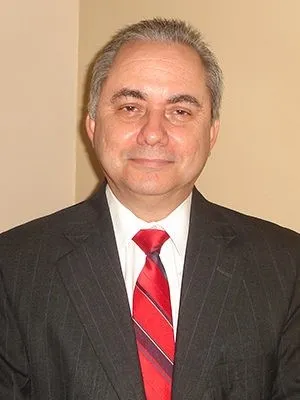
Gerardo González Núñez holds bachelor’s and master’s degrees in Economics from the University of Havana and a doctorate in International Business from the Inter American University of Puerto Rico. Currently, he serves as professor and director of the Graduate Program at the School of Business of the Inter American University of Puerto Rico, Metropolitan Campus.
Professor González Núñez’s articles have been published in specialized journals in Latin America, the Caribbean, the United States, and Europe. He is the author of several books, including Business Opportunities in Cuba: What Can Puerto Rico Expect? (2010) and Tourism in the Caribbean: Past, Present and Future (2022). He has given lectures and taught courses at various universities in the United States, Latin America, and the Caribbean.