
Why Tourism May Be Key to Trump’s “Friendly Takeover” of Cuba
While seeking to finalize an economic agreement with Cuba, the Trump administration could secure deals across various sectors of the economy. However, tourism holds the most promising opportunities in the short term.
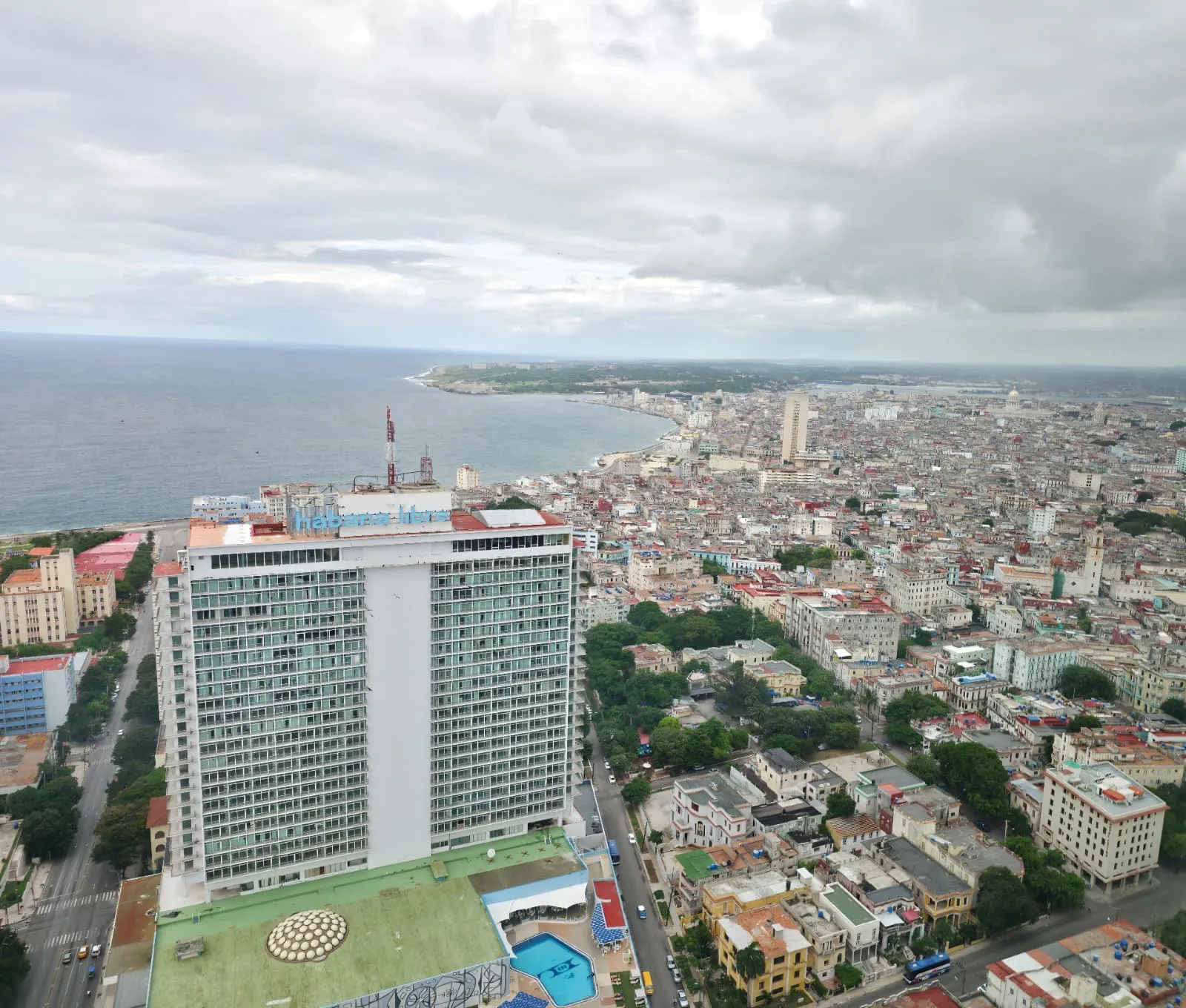
After the execution in early January of a military operation that removed Venezuela’s President Nicolás Maduro from power, the administration of Donald Trump has intensified the U.S. chokehold on Cuba. In addition to terminating the Venezuela-Cuba oil-for-doctors program that had been the cornerstone of their strategic alliance since the mid-2000s, President Trump imposed an oil blockade on Cuba, freezing oil supplies from alternative providers, including Mexico and Russia.
He also successfully pressured countries in the region, among them Jamaica, Honduras, and Guyana (and of course Venezuela), to terminate contracts for Cuban medical brigades,[1] long a primary source of hard currency for the Cuban government along with remittances and tourism. Coupled with tightened restrictions on U.S.-based travel and money transfers to Cuba, Trump has effectively disrupted Havana’s economic lifelines and brought the Cuban regime to the brink of collapse.
A few preliminary considerations are in order.
- Backed by Cuban American hardliners who have long sought the complete dismantling of the Castro regime, the Trump administration is engaging in a cruel and deeply troubling use of human suffering as a tool for political change.
- Nonetheless, Cuban authorities bear significant responsibility for the dire state of their country’s economy and for their repressive response to the repeated protests of a population growing more desperate by the day.
- Finally, while externally imposed regime change is rarely successful and often produces violence and long-term instability, if such a scenario ultimately unfolds in Cuba, one can only hope it occurs in a manner that promotes reconciliation among Cubans on both sides of the Florida Straits and improves living conditions on the island.
Lesson From Venezuela
In just a couple of months since Maduro’s ouster, the historically adversarial U.S.-Venezuela relations have witnessed a dramatic and surprising shift. Although Washington portrayed the move as a first step toward a peaceful transition to a democratically elected Venezuelan government, the two sides agreed to resume normal diplomatic ties without any formal commitment from Caracas to a democratic transition or future elections.[2]
Meanwhile, the United States is reaping considerable economic benefits as Trump took steps to control the production, commercialization, and revenues from Venezuelan oil, and brokered a massive deal to sell Venezuelan gold to the U.S. market. He is now seeking to attract substantial U.S. investments in Venezuela’s oil and mining sectors, and potentially others, to help open the country’s state-controlled economy to U.S. firms.
As for Cuba, an emboldened Trump recently said that the communist island could become his next target once U.S. military operations in Iran conclude. He predicted that Washington and Havana would soon strike a deal and even mused about the possibility of a U.S. “friendly takeover” of Cuba.[3]
The Venezuelan case suggests that Trump tends to prioritize economic reforms over political considerations when dealing with hostile countries, particularly when these reforms create substantial business opportunities for the United States. But compared with Venezuela, Cuba offers fewer and less lucrative opportunities. Crippled by U.S. sanctions and hampered by the shortcomings of its state-dominated and overly centralized socialist economic model, contemporary Cuba is an impoverished nation with a feeble productive capacity, outdated infrastructures, limited natural resources, and an incipient private sector that the Trump administration has vowed to support.
Nevertheless, tourism represents the one sector of the Cuban economy capable of providing profitable investment avenues with immediate returns for U.S. firms while also spurring the growth of Cuba’s private businesses as progress is made toward greater political and economic freedoms on the island.
Trump 1.0 vs Trump 2.0
During his first term, Trump approached Cuba by strengthening economic sanctions that, for more than six decades, had failed to achieve their main goals. Quite frankly, his approach to Cuba appeared to be just another effort to erase Obama’s legacy, despite the fact that Obama’s engagement with Havana had helped ordinary Cubans and brought sizable benefits to several U.S. companies, especially in the travel and tourism sectors.
Trump 1.0 tightened rules on travel and commercial dealings with Cuba, aiming to deprive the Cuban military of U.S. dollars while directing them toward Cuban citizens and their small private businesses. As a White House fact sheet released in June 2017 stated, “The new policy channels economic activities away from the Cuban military monopoly . . . while allowing American individuals and entities to develop economic ties to the private, small business sector in Cuba.”[4] In reality, Trump’s reversal of Obama’s policies significantly curtailed the flow of U.S. visitors to Cuba and the Cuban regime’s revenues, but it disproportionately harmed Cuban private entrepreneurs.
Trump 2.0 is dealing with Cuba in a completely different way. Setting aside his timid and largely symbolic effort to ease Cuba’s humanitarian crisis by allowing fuel sales to the island’s private businesses,[5] Trump has essentially cornered the Cuban government. His actions may well prompt a leadership reshuffle in Havana, as part of a negotiated transition, forcing structural economic reforms and obtaining major concessions through business deals that advance U.S. interests, all without provoking a full-blown confrontation.
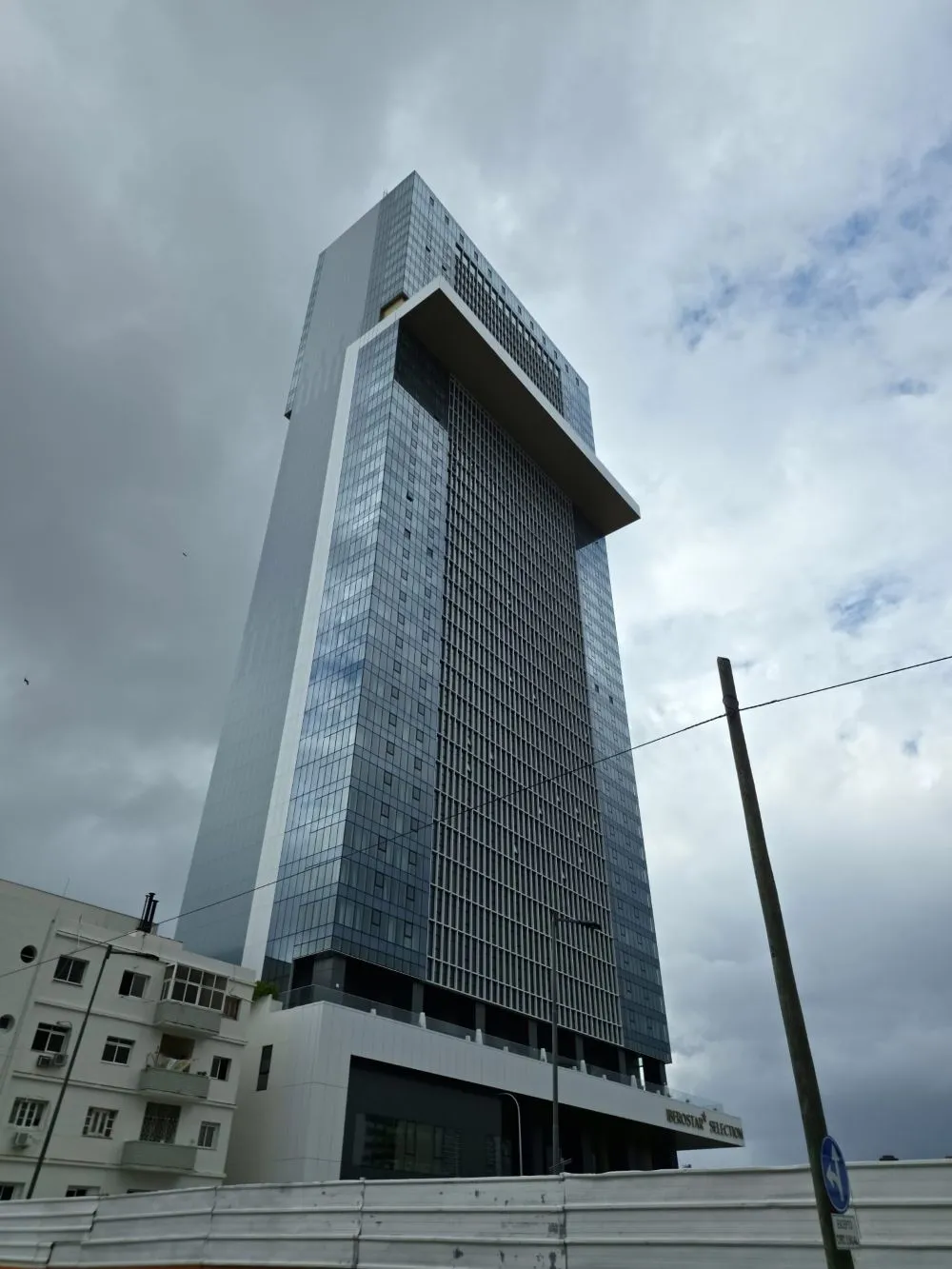
In particular, Trump could secure U.S. investment projects in Cuba’s tourism market and pursue further agreements in complementary sectors such as energy, transportation, telecommunications, and trade. Of course, he should also leverage his executive powers to ease travel restrictions and other sanctions on Cuba, and could even encourage Congress to lift the tourism ban and dismantle the broader embargo. Some studies estimate that, without the U.S. tourism ban, between 2.7 million and 5.6 million American citizens would visit Cuba annually once the market has fully adjusted (Acevedo and Wong 2017, Djiofack et al. 2015; Romeu 2008).
Interestingly, given that the Cuban military will play a central role in any economic or political transition on the island, Trump 2.0 is reportedly trying to cut a deal with the very figures who were targeted by the sanctions of Trump 1.0. Multiple U.S. media outlets have revealed that officials of the Trump cabinet held secret talks with members of Raúl Castro’s inner circle, presumably high-ranking figures within Cuba’s military-run business conglomerate GAESA.[6] Cuban President Miguel Díaz-Canel confirmed the talks, noting they were led by him, Raúl Castro, and other senior Cuban leaders.[7]
Indeed, it is logical that U.S. officials would be in contact with top military leaders at GAESA, which controls Cuba’s most lucrative economic sectors including tourism, retail and wholesale trade, remittance services, and logistics and storage operations at the port of Mariel, among other activities (Vidal 2025). The corporation Gaviota, a sub-entity of GAESA, has been almost the only driver of Cuba’s expanding hotel room capacity over the past decade, building luxury hotels and resorts in prime locations across Havana and the country. Gaviota’s hotel ventures, including its 2016 acquisition of Habaguanex’s boutique hotels, stores and restaurants in Old Havana, have positioned the corporation to reap enormous gains should major and unforeseen political and economic shifts occur, a moment that may now be approaching.[8]
Key Role of Tourism
As it pursues an economic deal with Cuba, the Trump administration could secure agreements across various sectors of the island’s economy, but tourism presents the most promising opportunities in the short-term, in generating considerable revenues for air carriers, hotel booking services, and home-rental platforms (and potentially, once again, for cruise lines).
Moreover, U.S. companies could secure management contracts for Gaviota’s hotels, lease them, or even acquire controlling equity stakes if Trump, like Obama before him, were to exempt certain sectors of the Cuban economy from the codified ban on U.S. direct investments in Cuba. Unlike many hotels of other Cuban tourism corporations such as Cubanacán and Gran Caribe, which contain numerous rooms that are out of service or in poor conditions and require major upgrades, most of Gaviota’s hotels are relatively new and can be operated without significant refurbishment.
It is also worth noting that Canada’s Blue Diamond (officially rebranded to Royalton Hotels & Resorts in August 2025), owned by the Canadian Sunwing Travel Group, has been the most active foreign hotel chain in Cuba in recent years, amassing a portfolio of more than thirty hotels and resorts that rivals that of Spain’s Meliá Hotels International, traditionally the island’s leading foreign hotel operator.[9]
In 2021, Sunwing signed a long-term agreement with Marriott to combine their brand concepts and market at least twenty Blue Diamond’s hotels in Mexico, Dominican Republic, Jamaica, and other Caribbean locations under Marriott’s Autograph Collection.[10] Once the U.S. embargo is lifted, this same marketing arrangement could be extended to Blue Diamond’s properties in Cuba.
In short, tourism deals and eased restrictions on U.S. travel to Cuba could serve as a catalyst for a wider U.S. business incursion into the Cuban market, paving the way for a significant expansion of U.S.-Cuba economic ties alongside far-reaching economic reforms on the island, and potentially leading to meaningful political reforms.
Most importantly for the Cuban people, this could give a major boost to the operations of Cuban MIPYMES (micro, small, and medium-sized private enterprises legalized in 2021). It would not only enhance their recently authorized partnerships with state entities,[11] but especially their partnerships with U.S. firms, as increasing pressure on Cuban policymakers would likely prompt the creation of mechanisms for MIPYMES to form international economic association contracts and joint ventures with foreign investors.
It is still unclear how Trump will ultimately handle Cuba, as he is now casting doubts on a “friendly takeover.”[12] In the meantime, Cuba’s tourism sector and its entire economy are crumbling under Trump’s policies. Yet the very person behind their decline may also hold the key to their revival, hopefully through a friendly approach.
[1] Bert Wilkinson, “Cuban Doctors To Leave Guyana as US Applies Pressure Over Island’s Medical Mission,” Associated Press, March 9, 2026.
[2] Ione Wells, “US and Venezuela Agree to Resume Diplomatic Ties After Maduro Capture,” March 5, 2026.
[3] Ruaridh Nicoll, “Trump Suggests US Could Carry Out ‘Friendly Takeover’ of Cuba,” The Guardian, February 27, 2026.
[4] “Fact Sheet on Cuba Policy,” The White House, June 16, 2017, https://trumpwhitehouse.archives.gov/briefings-statements/fact-sheet-cuba-policy/
[5] Frances Robles and David C. Adams, “Trump Gives Green Light to Private Oil Sales to Cuba,” The New York Times, February 28, 2026.
[6] Nora Gámez Torres, “Díaz-Balart: U.S. in Talks With ‘Multiple People’ in Raúl Castro’s Inner Circle,” Miami Herald, March 11, 2026; Marc Caputo, “Exclusive: Rubio’s Secret Squeeze on Raul Castro’s Cuba,” Axios, February 18, 2026.
[7] Sol Amaya, “Cuban President Said Talks Held With the United States Amid Intense Pressure From Trump,” CNN en Español, March 13, 2026.
[8] Frances Robles, “With Fuel Running Out, Cuba’s Tourism Is Collapsing,” The New York Times, March 4, 2026.
[9] For the complete list of Royalton’s (former Blue Diamond) hotels, resorts, and villas in Cuba under the company’s different brands, see https://www.royalton.com/resorts.
[10] For Sunwing’s agreement with Marriott in 2021, see https://www.royaltonresorts.com/press/sunwing-travel-group-announces-mutual-agreement-with-marriott-international.
[11] Carla Gloria Colomé, “Cuba Opens Up to Public-Private Enterprises for the First Time in Nearly 70 Years,” El País, March 5, 2026.
[12] Francesca Chambers and Bart Jansen, “Trump Says Regime Change in Cuba May Be ‘Friendly Takeover’ or Not,” USA Today, March 9, 2026.
References
Acevedo, Sebastian, and Joyce Wong. 2017. “Cuba Awakening: Potential Risks and Opportunities.” In Unleashing Growth and Strengthening Resilience in the Caribbean, edited by Trevor Serge Coleridge Alleyne, Inci Ötker, Uma Ramakrishnan, and Krishna Srinivasan, 63–77. Washington, D.C.: International Monetary Fund.
Djiofack, Calvin, Rei Odawara, Maros Ivanic, and Julie Lohi. 2015. “The Impact of Easing the US Travel Restrictions against Cuba on Tourism in the OECS.” Macroeconomics and Fiscal Management Practice Notes 4, World Bank.
Romeu, Rafael. 2008. “Vacation Over: Implications for the Caribbean of Opening U.S.-Cuba Tourism.” Working Paper WP/08/162, Washington D.C.: International Monetary Fund.
Vidal Pavel, “GAESA, the Invisible Elephant in Cuba’s Macroeconomic Stabilization,” Horizonte Cubano, Columbia Law School, December 19, https://horizontecubano.law.columbia.edu/news/gaesa-invisible-elephant-cubas-macroeconomic-stabilization.
Paolo Spadoni is an Associate Professor in the Department of Social Sciences at Augusta University. He is the author (with José Luis Perelló Cabrera) of The Cuban Tourism Industry: Evolution, Challenges, and Prospects, Bloomsbury Academic, 2025.