
When a Cuban Entrepreneurial Venture Challenges Uncertainty
Interview by William Bello Sánchez with Juan Carlos Blaín Noste
The debate over the role of the private sector in achieving a prosperous Cuba can no longer be refuted with negative slogans based on hereditary fears. The empirical evidence is clear: when enterprises are allowed to operate with greater latitude, what emerges is efficiency, innovation, and value creation.
Interview series: “Entrepreneurship from Cuba and its diaspora: Stories 3 X 3”
Editor’s note: First of three interviews, second season.
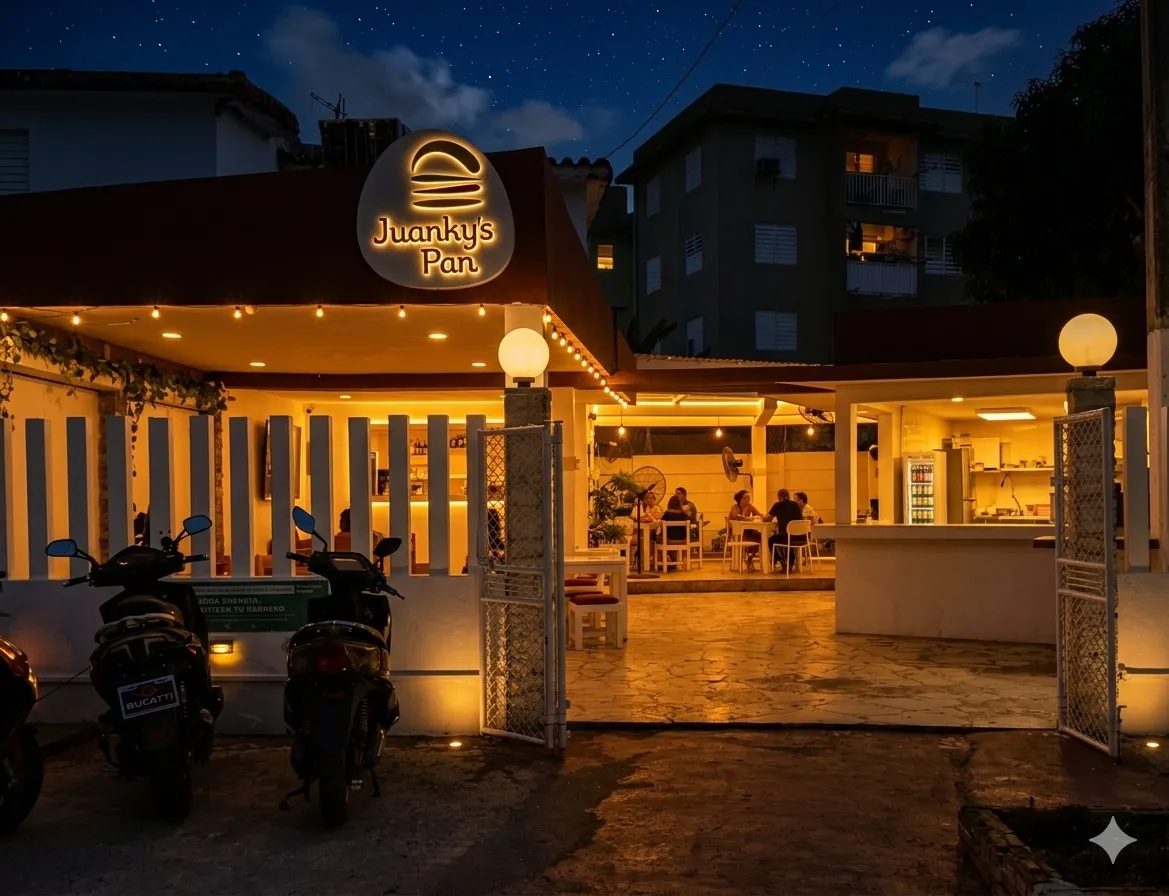
In a business ecosystem marked by improvisation, scarcity, and regulatory instability, the trajectory of Juan Carlos Blaín Noste constitutes a revealing anomaly.
While ordinary Cubans have often viewed private enterprise as limited in value—primarily to provide additional income as a means of survival—Blaín broke the mold.
From early on, he chose a different path: methodically applying principles of professional management, brand building, value chain integration, and social responsibility in an economic context where leadership, scale, and planning are not necessarily valued.
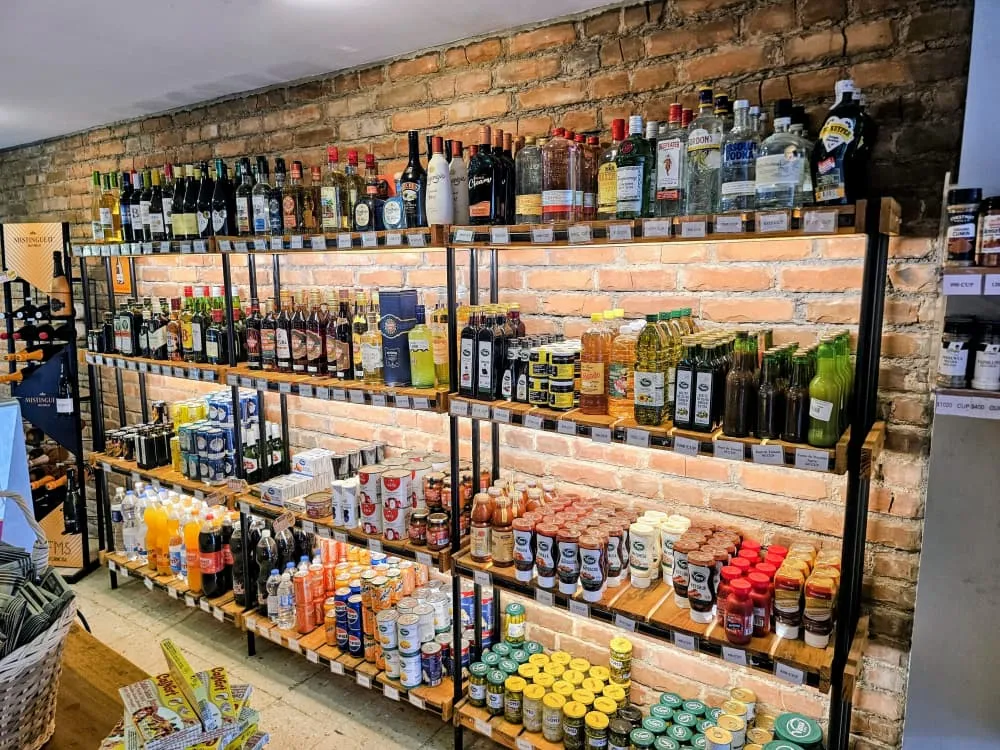
Beginning with Juanky’s Pan1, the first “franchisable” private-sector experience in Cuba this century, later organized as JKY SRL2, a limited liability company that provides logistics and commercial activities for both Juanky’s Pan and KO Mini Mercado3, his trajectory is not just the story of a successful entrepreneur, but also reveals both the productive potential of the private sector and the structural limits imposed by the Cuban economy today.
Juan Carlos, what is your academic and professional background? Where did your career begin, and what early lessons shaped your understanding of management and business?
I am a computer science engineer (fourth graduating class of University of Informatics Sciences (UCI), 2010). After graduating, I worked as a specialist in the Laboratory Directorate, where I developed an interest in inventory control, procedural manuals, and incident management. Those were foundational to my understand of management.
Mapping the ventures
Over the course of your career, you have developed various projects. beginning with Juanky’s Pan, followed by the incorporation of the business as a limited liability company (JKY SRL) that also provides logistics services to a later separate venture, KO Mini Mercado. How would you describe the logic connecting these ventures, and what specific problem did each aim to solve at the time?
Juanky’s Pan marked a turning point. It was the beginning and the decision to commit to a private business within the self-employment framework then permitted by the government. That is where the focus and passion for what we did took shape.
Later came JKY SRL, a limited liability company, falling within the definition of SME (small and medium sized enterprise), conceived as a logistics operator that integrates the Juanky’s Pan and KO Mini Mercado brands and other assets. The goal was to build a solid structure: bakery, production center, warehouses, and efficient links between suppliers and customers. All of this with an additional purpose: to encourage food production and contribute to domestic output.
Entrepreneurship not as survival, but as construction
In a country where many businesses emerge simply to permit individual daily survival, Juanky’s Pan seems to have been created with the intention of building something lasting. What did you set out to do differently from the beginning, and why did you take that approach?
When I questioned why I earned so little or couldn’t afford certain things, I always came to the same answer: I wanted to build something that would endure over time. That vision remains unchanged.
We have managed to transmit it to the team: working in the present with a vision for the future, constantly documenting our experience to build a knowledge base. We consider ourselves a visionary company.
Our approach has been to do things properly, comply with the law, and always think about the customer.
When the business becomes a system
Juanky’s Pan evolved from a single location into a system—standardized processes, a clear identity, technical specifications, and a replicable management model. When did you realize you were building something beyond the traditional Cuban SME business model?
This happened about two years after opening the first café in La Lisa. At that point, Reinaldo Cabrera joined up, and we began to systematize: developing procedural manuals and structuring the business model.
By mid-2014, we began designing a second café under the brand, which we had already registered with the Cuban Industrial Property Office (OCPI), marking the transition toward a replicable model.
Replication without an institutional framework
Your experience reveals a paradox: the model was so solid that others wanted to adopt it—even without the existence of a legal franchise law in Cuba. How did you expand Juanky’s Pan, and what did that reveal about both the potential of Cuban entrepreneurship and the limits of the governmental institutional environment?
It was a major challenge. It required courage. Many advised us to open new establishments under different names to avoid government attention, but we remained committed to our approach: doing things properly and within the law.
We studied brand usage regulations at the Cuban Industrial Property Office (OCPI) and managed to operate ours legally. That is how we opened seven Juanky’s Pan locations in Havana.4
From final product to value chain
While many ventures focus on resale, you chose to integrate the value chain— your own production, input control, processing centers. Why increase complexity in an economy that often penalizes planning, integration, and growth?
I have always believed in building solid structures. In practice, this has taken time due to constant changes and instability in the environment.
The greatest challenge has been our labor culture; migration has significantly affected team stability. Even so, we have persisted in developing a strong structural base.
Company, territory, and production
Connecting your business with farmers in areas such as Aspiro, in Pinar del Río, required thinking beyond Havana. What motivated this, and what challenges and lessons emerged?
The idea arose from our logistic needs. Fruit is one of our best-selling products, so we partnered with farmers in areas like Aspiro to ensure quality and supply stability.
At the same time, we identified an opportunity in the Florida market (United States), which could become a relevant destination. We promoted the creation of an SME focused on post-harvest processes to meet export standards.
The project did not materialize due to lack of financing and the deterioration of U.S.–Cuba relations, but the learning experience was critical. Today, 85% of the fruit we sell comes from Aspiro. We achieved results without making a direct investment, simply by organizing the process.
Logistics as the core of the business
With the creation of JKY SRL and KO Mini Mercado, what has defined this new stage in your trajectory?
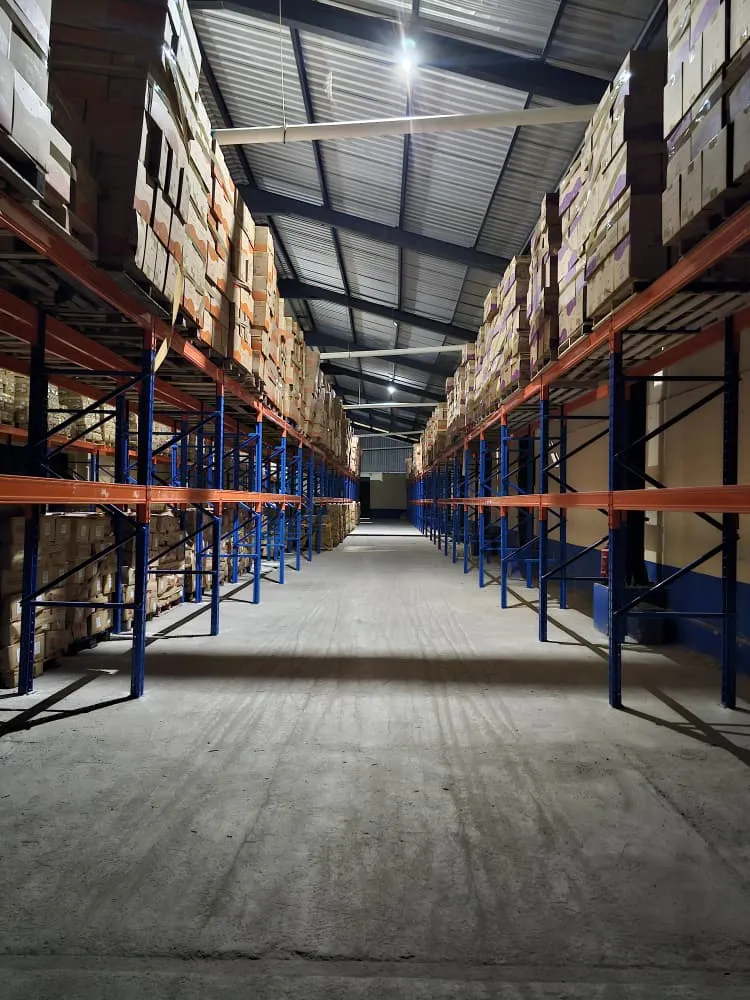
It has been a major challenge. Logistics is complex: when it works, commerce flows; when it fails, the entire operation is negatively affected.
Achieving an efficient logistics system in Cuba is especially difficult, but it has allowed us to understand logistics deeply. Today we manage over a thousand items. While we cannot always achieve stability, we have developed the ability to quickly identify deficiencies, which is a key advance.
Three stages, one method
Looking at Juanky’s Pan, JKY SRL, and KO Mini Mercado together, what has changed and what has remained constant?
Juanky’s Pan was the starting point, but limited to the activities permitted under the prior self-employment model. With the governmental approval of SMEs, JKY SRL emerged as the structure integrating everything. KO Mini Mercado followed as a brand aligned with digitalization and commercial expansion.
What remains constant is the vision and the symbol of the “K,” representing difficulty but persistence.
Today, our strategic focus is on logistics, foreign investment, and food production, without losing sight of the customer.
Inflation and impossible planning
How do you manage a distribution and retail company amid persistent inflation, price volatility, and changing governmental rules?
That is probably the hardest question to answer. At times, even I am not sure how we manage it.
We closely monitor procurement and prioritize purchases in Cuban pesos, which partially shields us from inflation. Some purchases effectively become investments, as products can quickly appreciate.
Logistical efficiency relies on planning: no improvisation in transport, the usage of defined routes, and no duplication of functions. After the fuel crisis, we reduced operations from six days to three, achieving significant savings.
We manage price volatility risk through advance purchasing and strategic negotiation. For agricultural goods, we buy during harvest seasons at low prices, converting liquid assets into inventory that we know will appreciate.
As for dealing with ever-changing governmental rules, we have developed what I call a “chameleon-like aptitude.” Rapid adaptation is one of our main strengths.
Economic opening and political constraints
From your experience, how far has the opening to the private sector really gone?
There has been progress, and it would be unfair to deny it. But it coexists with resistance.
The main limitation is the lack of agility in decision-making by government actors, insufficient trust in the private sector, and only partial recognition of its contributions—not just in tax revenue, but in product offerings, employment, and social responsibility.
In practice there are contradiction: the government adopted banking reforms without updating financial transfer limits, or it has imposed price caps that do not reflect market realities.
What is needed is for the government to continuously update the regulatory framework to reflect the changing economic reality, as well as a willingness to allow existing businesses to grow and consolidate.
Social responsibility in times of crisis
From the beginning, your businesses have incorporated social responsibility, environmental care, personnel management, and community engagement. In today's Cuba, is that an additional cost or a necessary condition for long-term sustainability?
Social responsibility has a cost, but when managed well, it does not have to be excessive. It is about helping without compromising business viability.
Sustainability depends on long-term positive impact, and social responsibility contributes directly to that. When embedded genuinely into organizational culture, the costs of social responsibility decrease.
The personal cost of entrepreneurship
Beyond business results, what personal costs—emotional, familial, or professional—has sustaining projects of this type entailed in the current Cuban context?
The personal cost has been high. While I have achieved much, there have been times when I have neglected my home life.
I have an extraordinary family: supportive parents, a partner present during the most demanding moments, and a child who has grown up understanding what I do.
Friends have also been essential to my development: some support me, some teach me, and even some who have failed me have forced me to grow through the experience.
Expectations and limits
Does Cuba currently offer real conditions for professionally managed firms to become engines of development?
Enterprises that have adapted to the Cuban environment possess enormous intangible value: market knowledge, flexibility, and understanding of consumer behavior.
This is a key capital asset. We are part of the development engine, including for foreign investors seeking to enter this economic context.
However, we always need more knowledge, technology, and business expertise.
Conclusion
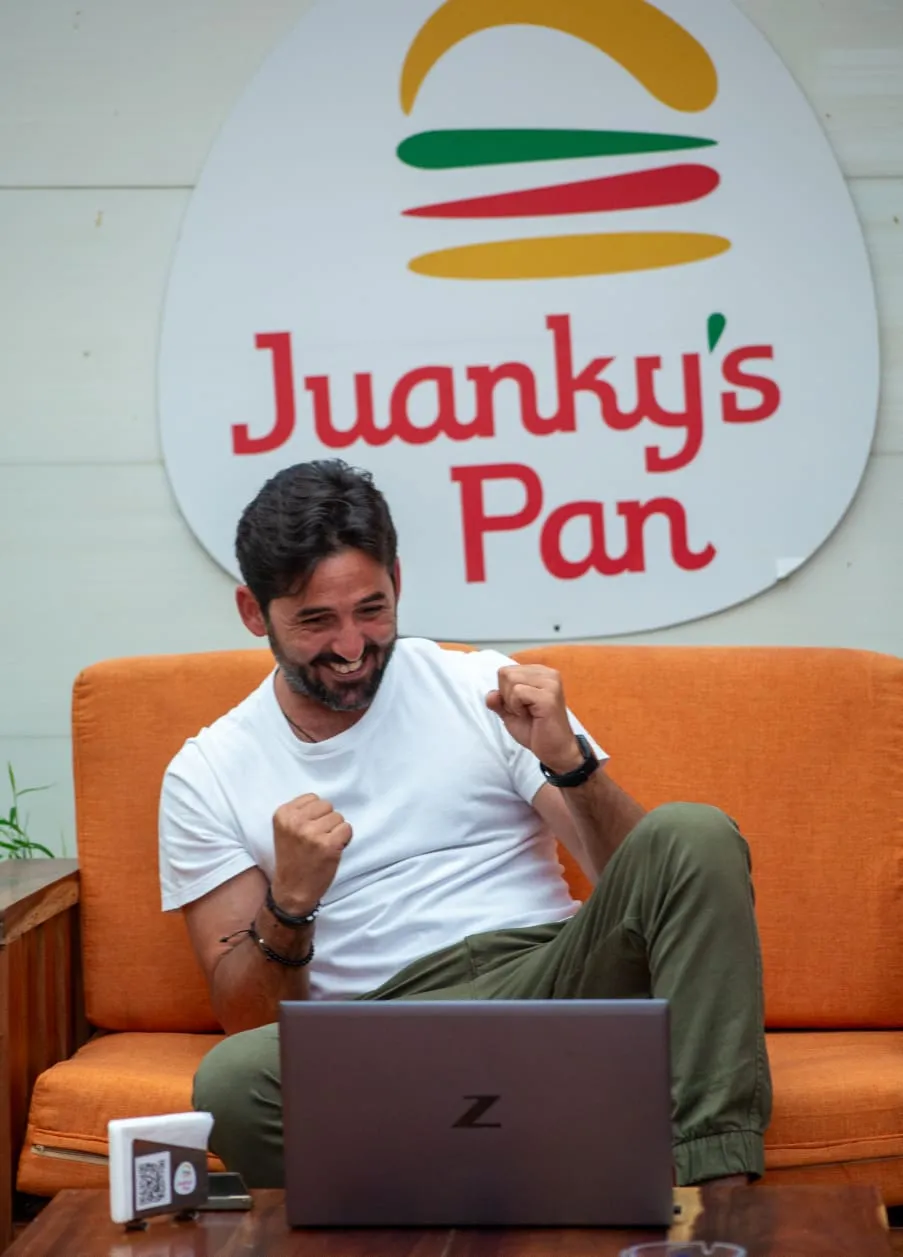
Juan Carlos Blaín Noste’s story does not fit the narrative of the entrepreneur who merely “gets by,” but rather that of someone who chose to build an enterprise amid uncertainty.
His trajectory shows that even in adverse conditions, it is possible to create a business, through organization, methodology, and with a long-term vision.
It also reveals the cost of doing so in an environment, such as Cuba’s, where rules are ever-changing, incentives incomplete, and institutional recognition insufficient.
The question is no longer whether the private sector can contribute to development—that has been demonstrated—but to what extent it will be allowed to do so. The answer will shape much of Cuba’s economic future.
[1] Juanky’s Pan is a private gastronomic venture in Havana that offers burgers, sandwiches, pizzas, snacks, and milkshakes under a high-quality fast-food model, supported by intensive and effective use of advertising to position its brand.
[2] JKY SRL is a Cuban limited liability company operating as a recognized SME (Small and Medium-sized Enterprise), dedicated to the production and distribution of fresh and processed foods. Its activities are focused on strengthening logistics and supply within the national market while projecting its future operations toward export. Committed to quality and local development, JKY contributes to the growth of the private sector in Cuba by providing a more efficient and diversified food supply.
[3] KO Mini Mercado is a small private market located in Havana, focused on the retail sale of food, beverages, and essential goods. This type of establishment is part of Cuba's growing non-state sector, offering customers a more flexible and sometimes better-stocked alternative to state-run stores, featuring personalized service and a range of products that can include both local and imported items.
[4] The OCPI (Cuban Industrial Property Office) is not responsible for authorizing franchises (as Cuba has no franchise law), but rather for registering and protecting intellectual property rights in Cuba. This includes the registration for companies from all over the world of trademarks, trade names, and other distinctive signs, granting the owner the exclusive right of use within the country. It also functions to register contracts related to those trademarks, such as license agreements, which legally allow the owner to authorize third parties to use them under certain conditions.
In practice, although there is no Cuban legal framework for franchising, it is possible to create similar models through the use of trademark license contracts combined with additional commercial agreements. In this way, the owner of a trademark registered with the OCPI can permit its use by other individuals or companies, structuring relationships similar to a franchise, but based primarily on private contracts rather than a specific franchising regime contained in a national franchise law.