
Cuba’s Energy Crisis: Structural Roots and a Comparative Perspective
Ricardo Torres
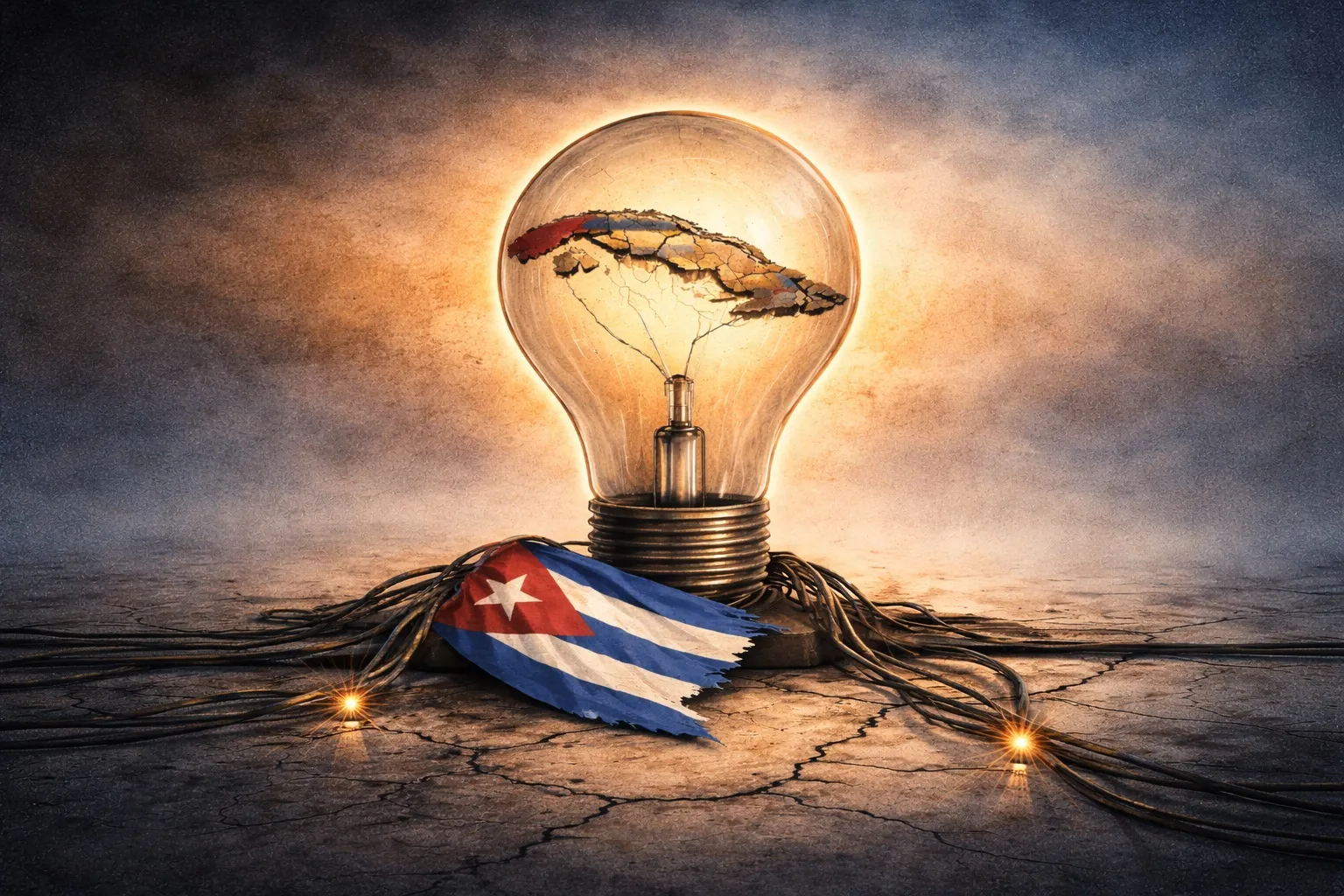
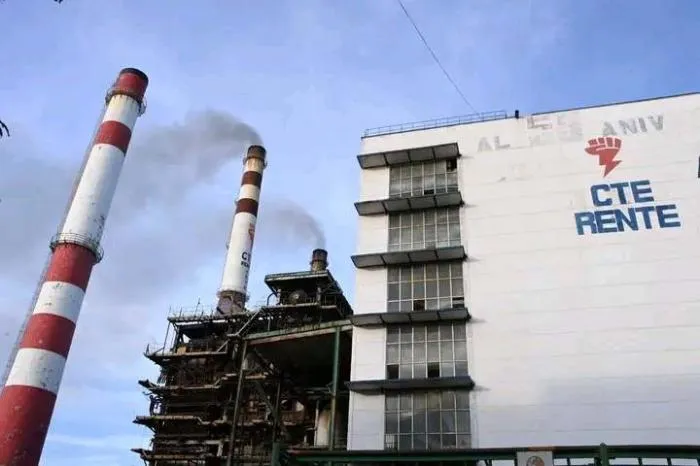
For many years, as its energy infrastructure deteriorated, Cuba allocated financial resources, without prioritizing maintenance of its thermoelectric power plants or modernizing transmission networks.
Introduction
Cuba is going through the worst electricity crisis in its recent history. Prolonged blackouts are no longer a temporary episode; they have become an almost permanent condition that affects daily life, paralyzes productive activity, and accelerates the deterioration of essential services.
The problem is not simply a “lack of capacity.” It is a system operating with insufficient maintenance, uncertain fuel supplies, and an increasingly fragile grid—where any shock, whether technical, logistical, or financial, results in massive outages.
This article aims to explain why the crisis of the electrical system is primarily an economic and resource-allocation problem, not just a technical one.
The issue is not trivial. Electricity is a fundamental input. Without a stable supply, there can be no industrial recovery, no sustained improvement in living standards, and no confidence to attract investment.
The structure of the text includes five sections: after the introduction, it reviews the historical background; then it identifies the structural factors responsible for the current decline (such as production and investment); next, it documents the crisis and situates Cuba in the regional context; and it concludes with some reflections.
Background: The “Energy Revolution” and Its Gaps
Cuba’s energy system has depended mainly on fossil fuels, with the most polluting ones predominating, and with little diversification. For years, a political ally has provided fuel on preferential terms, which reduced the country’s incentives to diversify energy sources, increase efficiency, and strengthen the financial base needed to maintain the electrical infrastructure.
The “Energy Revolution” expanded the distribution of generation capacity in order to deliver capacity closer to consumption centers and reduce transmission problems. It also improved operational flexibility and resilience in the face of natural disasters.
However, it produced three main shortcomings.
- First, it did not change the logic of the system, which continued to depend on fossil fuels and shifted toward more expensive options such as diesel.
- Second, it introduced new vulnerabilities: a dispersed generating fleet requires stable logistics for fuel, lubricants, and spare parts for multiple units—something more difficult and costly to operate in the absence of foreign currency.
- Third, it failed to advance the incorporation of renewable energy. Due to a dysfunctional economic and agricultural model, the decline of the sugar agroindustry—the country’s most traditional renewable source—was not reversed.
The country partially reconfigured the system but postponed key decisions, such as modernizing the thermoelectric fleet, reducing network losses, diversifying energy sources, and creating financial reserves to withstand external shocks.
Structural Crisis: Economic Stagnation and Investment Decisions
An electrical system requires constant reinvestment in maintenance, equipment replacement, grid modernization, and input procurement. In prolonged economic crises, it operates as a multiplier of problems. Lower production leads to a reduction in foreign currency earnings and tax revenues, reducing available funds for maintenance, which increases breakdowns, decreases productive activity, and raises costs.
In Cuba, this dynamic operates in a scenario of low growth and persistent macroeconomic imbalances. Cuban investment remains low compared to other countries that also need to increase their stock of physical capital. For example, a World Bank study notes that investment in the electrical system should approach 25% of annual GDP to promote growth and avoid infrastructure bottlenecks.
In addition, the value added of goods-producing sectors in Cuba shows even weaker performance than the general average (Figure 1). Physical indicators such as cement and steel availability reflect the material limits of the current economic model in improving efficiency, investment, and export capacity.
Figure 1. Cuba: GDP, Value Added (Selected Sectors), and Investment Rate, 1985–2024
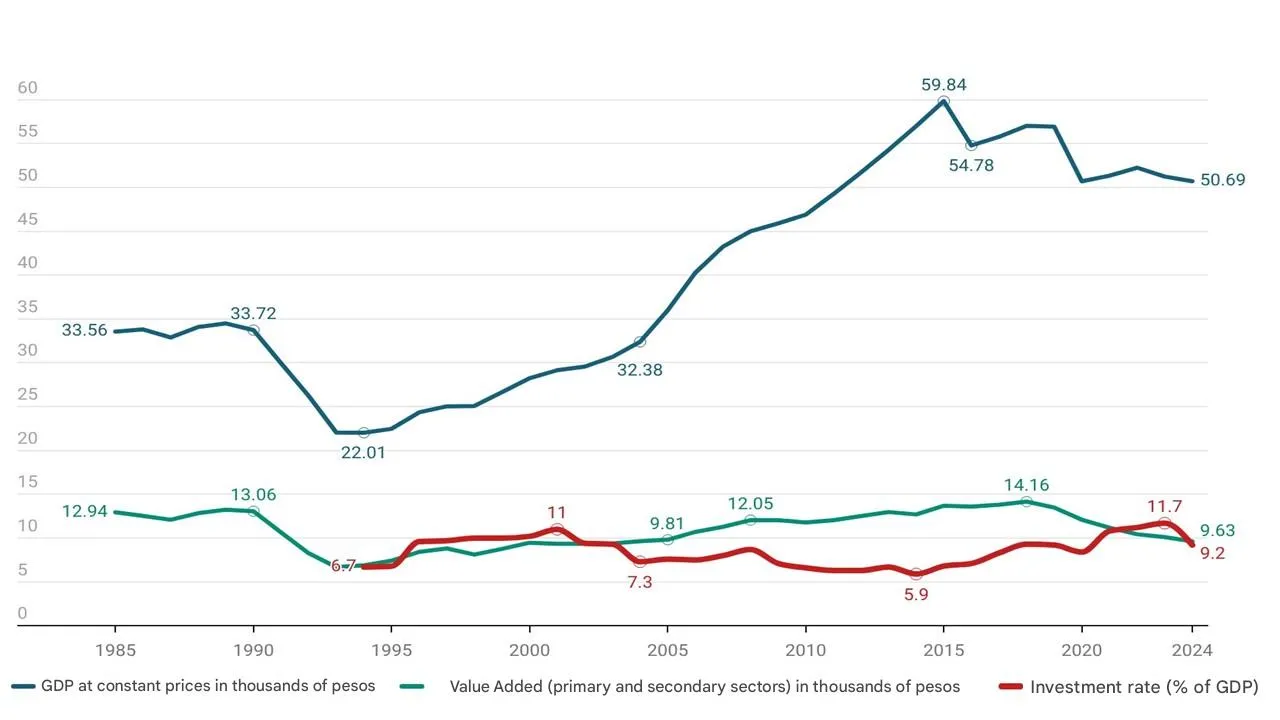
Source: Author’s own elaboration based on official data. (2024). Evolution of GDP at constant prices, value added in the primary and secondary sectors, and the investment rate in Cuba. Author’s calculations based on the Statistical Yearbook of Cuba (various years).
Among the countries analyzed (see Table 1), a clear trend emerges: the higher the GDP per capita, the higher the apparent per capita steel consumption, which is consistent with the literature on industrialization. However, Cuba is an outlier: its average consumption of cement (44 kg) and steel (10 kg) is far below that of countries with similar income levels, such as Algeria, Egypt, Indonesia, Vietnam, or Morocco.
The differences are approximately -82% in cement and -87% in steel consumption, as compared to the level indicated by the group’s pattern. Both inputs are essential for building and maintaining electrical infrastructure, housing, transportation, and industrial plants.
The current electricity crisis must be interpreted within this broader Cuban context of economic stagnation and the shrinking of key resources for development. It is therefore neither an exceptional situation nor a simple temporary shock.
Table 1. Cement and Steel Consumption in Selected Economies.
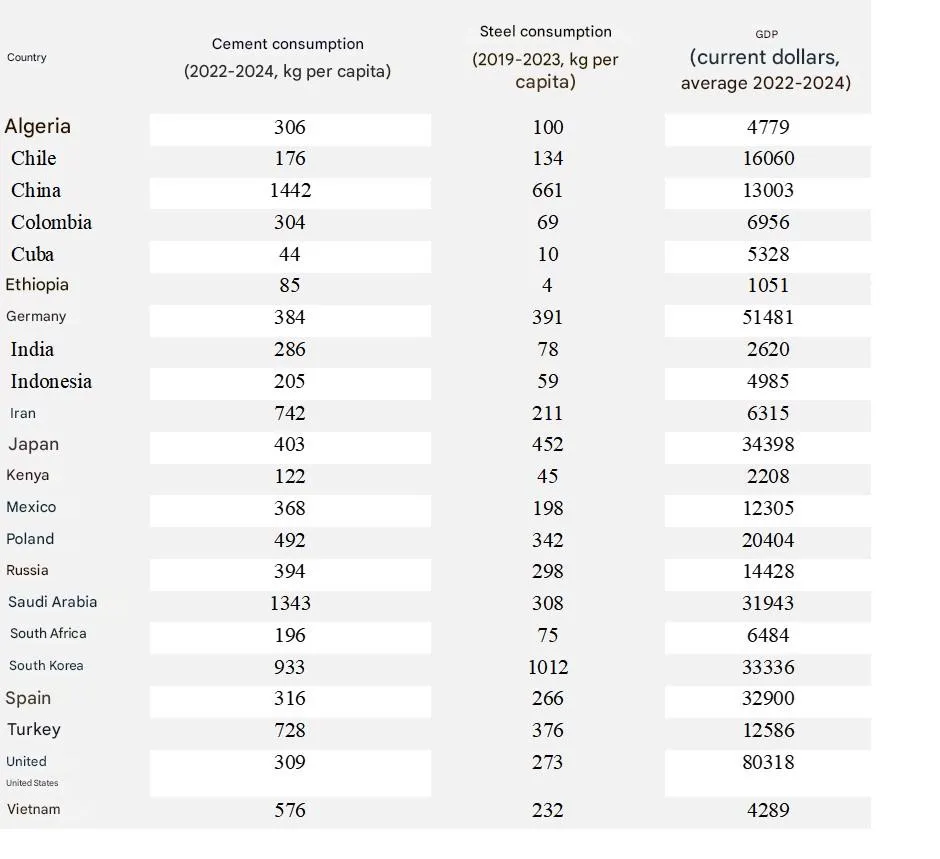
Source: Author’s own elaboration. (2024). Cement and steel consumption in selected economies and average GDP per capita (2019–2024) [Table]. Based on data from the World Cement Association, World Steel Association, and the World Bank (World Development Indicators).
Note: There are no official data or universally accepted estimates of Cuba’s GDP per capita expressed in U.S. dollars. The figure shown in the table is the average of the values reported by ECLAC and the World Bank.
Current problems also reflect poor decisions in economic policy and resource allocation. For years, the country directed investment without prioritizing the recovery of the thermoelectric fleet or the modernization of electrical transmission networks, despite continuing accumulated deterioration.
Instead, it focused on building high-end hotels, which consistently maintain occupancy rates below 30%. Although this misallocation of resources is not the only cause, it helps explain why the electricity sector reached the crisis it faces today, with a backlog in maintenance and modernization, which is compounded by the scarcity of foreign currency. The essential issue is long-term coherence. A country may choose which sectors to prioritize for investment, but if it continually postpones funding infrastructure that enables growth in the rest of the economy, it ultimately creates for itself systemic costs in productivity, well-being, and stability.
Comparative Regional Perspective
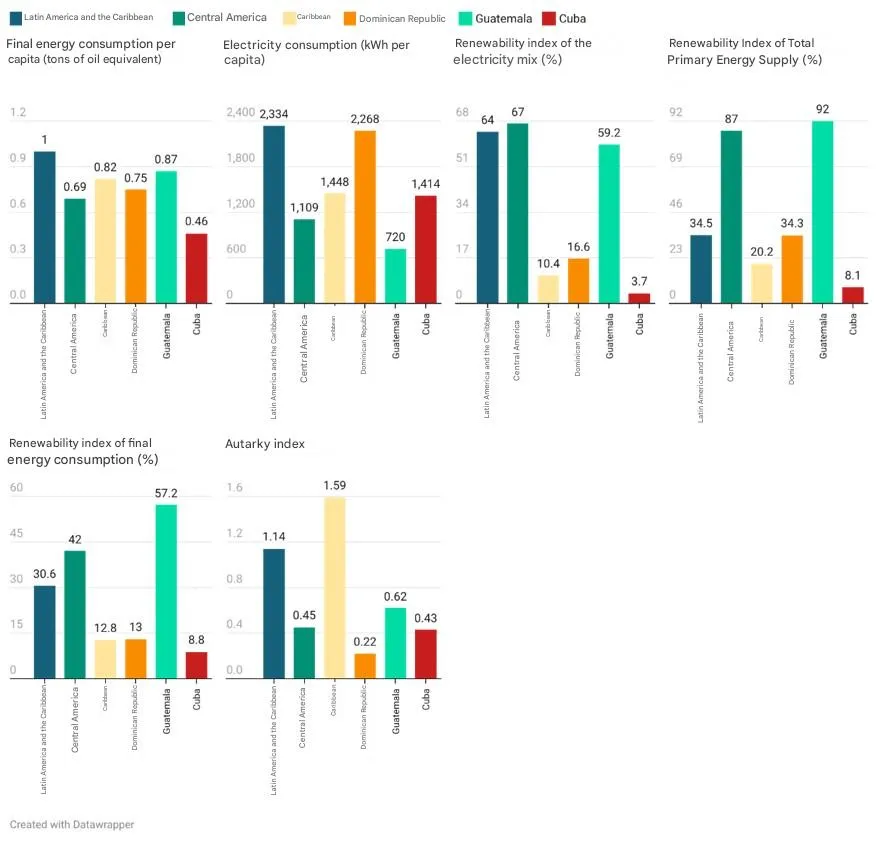
Energy indicators for 2024 show that Cuba has declining generation, reduced consumption, external dependence, and a lag in renewable energy (Figure 2). This explains how fuel shocks lead to blackouts and deteriorating living standards.
Figure 2. Selected Energy Indicators for Cuba and Selected Countries and Regions of Latin America and the Caribbean (2024)
Source: Author’s own elaboration. (2025). Selected energy indicators for Cuba and countries and regions of Latin America and the Caribbean (2024) [Figure]. Based on data from the Latin American Energy Organization (OLADE), Energy Outlook for Latin America and the Caribbean 2025.
Note: The Energy Self-Sufficiency Index is defined as total domestic production of primary energy sources (crude oil, natural gas, coal, nuclear energy, hydro, geothermal, wind, solar, firewood, sugarcane bagasse, biogas, bioethanol, biodiesel, other biomass, and other primary sources) divided by total energy supply. An index greater than 1 indicates the country is a net energy exporter; an index equal to 1 indicates energy self-sufficiency; and an index below 1 indicates a net energy importer.
Since 2020, electrical generation has declined by one quarter, reaching 15,918 GWh in 2025. Thermoelectric plants and distributed generation lost around 900 MW in installed capacity, in addition to suffering from low operational reliability and fuel shortages.
In 2024, the average daily deficit was 570 MW in the summer and rose to 1,317 MW in the last quarter of that year, with three total electrical system collapses. During 2025, daily interruptions averaged 1,531 MW, peaking at 2,054 MW.
Cuba’s per capita final energy consumption is much lower than regional averages (0.46 tons of oil equivalent per person, compared to 1.0 in Latin America and the Caribbean). In electricity, it is also on the lower end: 1,414 kWh per capita—above Guatemala (720) but below the regional average (2,334). The key point is that the crisis is not due to “excessive” demand. Even with relatively modest consumption, the system operates at its limit.
Renewability indices place Cuba as an extreme case. The share of renewables in electricity generation barely reaches 3.7%, far below the Dominican Republic (16.6%), the Caribbean overall (10.4%), and especially Central America (67%) and Guatemala (59.2%). This pattern is also reflected in total primary energy supply (8.1%) and final consumption (8.8%). In practice, Cuba depends structurally on imported fossil fuels and has incorporated renewable energy at a pace insufficient to change this situation.
It can be argued that this reality began to shift in 2025 with the incorporation of large-scale photovoltaic solar parks. Official press reports indicated that in October of that year, 9% of total electricity generation came from solar energy, although other renewable sources represent only a symbolic share.
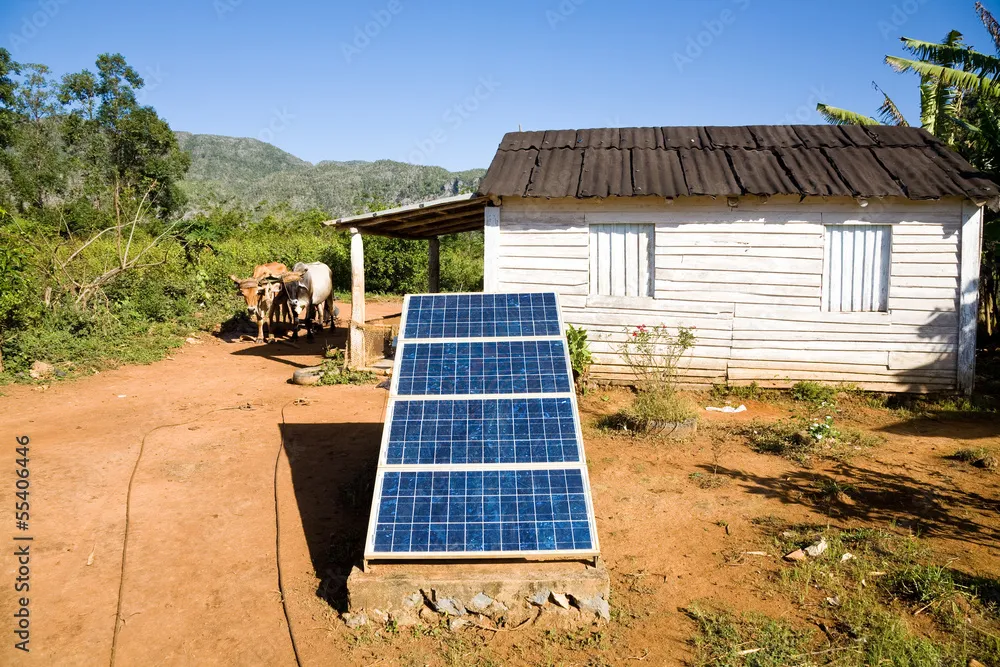
By the end of 2024, Cuba had approximately 280 MW of grid-connected photovoltaic installations; this figure rose to around 1,084 MW by the end of 2025. However, this progress did not prevent an increase in blackouts, which occur in a context of system losses.
Finally, Cuba’s Energy Self-Sufficiency Index is 0.43 (less than 1), indicating that the country is a net importer with a limited domestic base to sustain energy supply in the face of shocks. This is comparable to the average in Central America (0.45) than to the Latin America and Caribbean average (1.14). In an economy with chronic foreign currency constraints, this dependence creates a macroeconomic bottleneck. When fuel is lacking, electricity generation declines, production and services halt, and social costs rise.
In the regional analysis (Figure 2), Cuba stands out not only for its low consumption level but also for its poorly diversified energy matrix, limited renewability capacity, and restricted energy autonomy. This results in a highly vulnerable system: small external disruptions generate significant internal shocks.
The defined strategy indicates that increasing investment in the energy sector—including infrastructure, generation, demand management, and renewable energy—is not merely an environmental objective but a key condition for stabilizing the economy and reducing vulnerabilities.
Final Considerations
The recovery of the Cuban electrical system requires more than simply adding megawatts of installed capacity. It requires access to financing, operational discipline, and an incentive framework that values productivity and maintenance. Without these foundations, the grid will remain trapped in a cycle of temporary solutions—more rationing, greater wear and tear, and mounting losses—that erode economic activity and increase social discontent.
The starting point, therefore, is not exclusively energy-related. If Cuba aspires to have a functional and reliable electricity grid, it must first resolve its underlying economic crisis: stabilize the macroeconomy, restore external payment capacity, and create conditions for sustained investment. This will not occur without significant economic reforms—reforms that free up resources, reduce distortions, and allow for more rational investment decisions—because there can be no viable energy transition in a stagnant economy.